
Fruit sorbet is a frozen dessert made from blended fruit, sweetener, and a splash of citrus. It’s naturally dairy-free, smooth, and packed with fresh fruit flavor in every spoonful.
To make it, you just blend ripe fruit with sugar and lemon or lime juice, then freeze the mixture until it firms up. Whether you use berries, peaches, or mango, the method stays simple and quick.
The result is a soft, refreshing dessert that tastes like summer in a bowl. It’s light, sweet, and a great way to use up extra fruit without wasting a bit.
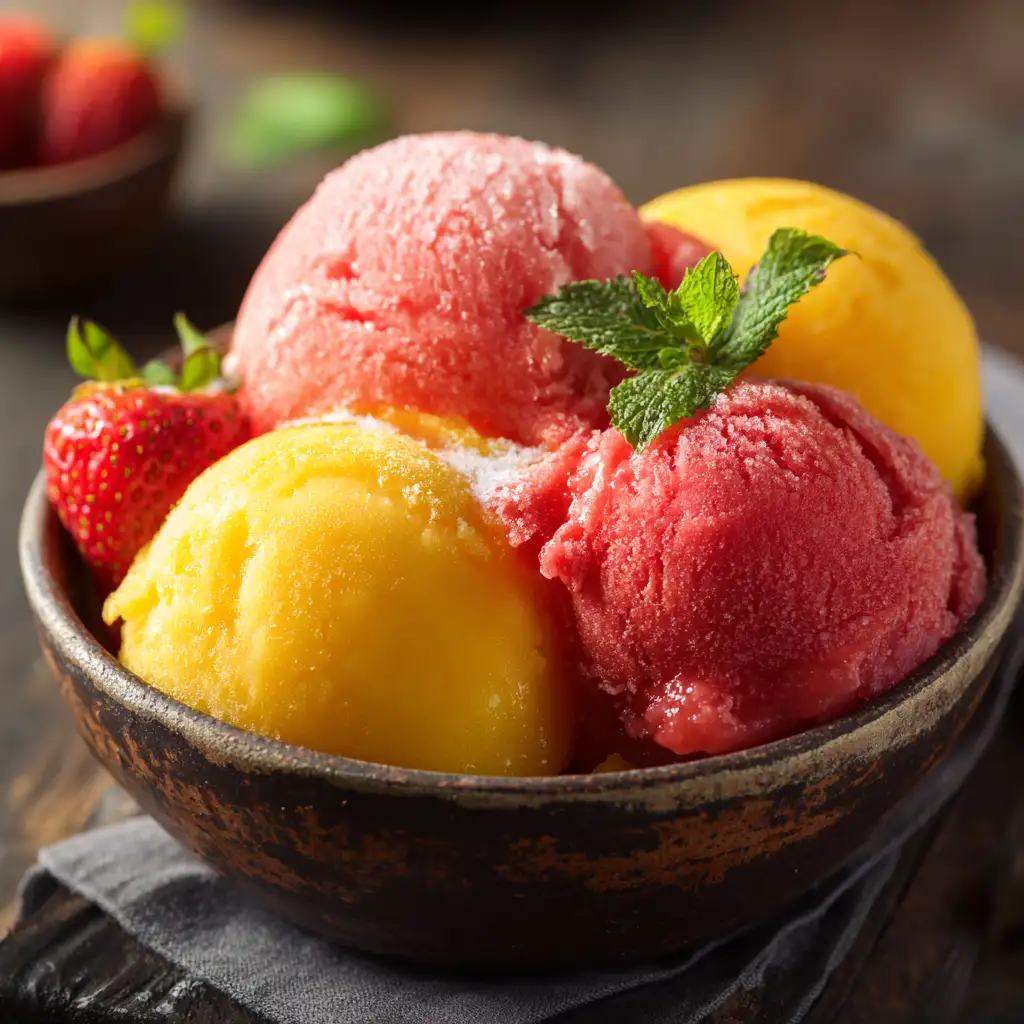
Table of Contents
Fruit Sorbet Starts with Good Fruit and Smart Prep
Choose Ripe Fruit for the Best Fruit Sorbet Flavor
If there’s one rule I’ve learned about making fruit sorbet, it’s this: start with ripe, flavorful fruit. That’s your whole foundation. Whether it’s peak-season strawberries, mangoes that practically peel themselves, or watermelon that tastes like sunshine, your fruit sets the tone. You don’t need complicated steps or fancy tricks, just quality ingredients that taste great before they ever hit the blender.
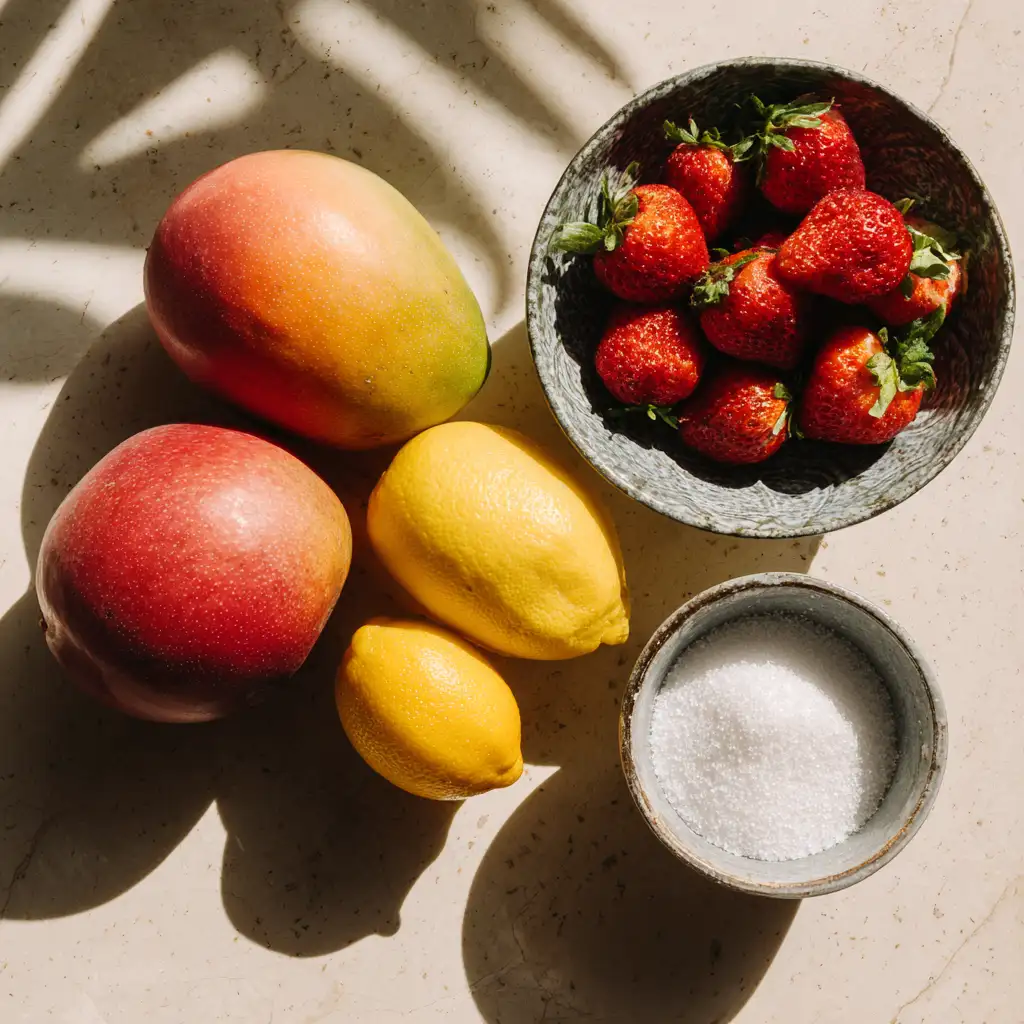
When I first started making sorbet at home, I’d toss in underripe fruit and wonder why it didn’t pop with flavor. Turns out, sorbet magnifies whatever you put into it. Ripe fruit not only blends more easily, but it also delivers better color and texture. For softer fruits like mango or peach, you usually don’t need added water. But for tart ones like raspberry or pineapple, a bit of sweetener and maybe a splash of citrus juice keeps the balance right.
One of my favorite warm-weather combos is watermelon and lime. It’s light, juicy, and blends into a dreamy texture. If that sounds like your kind of thing, I shared a simple twist on it in my watermelon limeade recipe, it uses the same idea and works great as a frozen dessert base, too.
Why Texture Matters and How to Get It Right
Getting the texture of fruit sorbet right isn’t just luck. It comes down to sugar, blending, and how you freeze it. Sugar is more than just sweet here. It’s the key to preventing your sorbet from turning into a rock-solid ice block. It helps the mixture stay scoopable. A good rule of thumb? If your sorbet base is thick enough to coat the back of a spoon but still pourable, you’re on the right track.
If you’re using an ice cream maker, it’ll help break up ice crystals as the mixture freezes. But if you don’t have one, you can still get smooth results. Just blend the fruit well, freeze the mixture in a shallow container, and stir it every 30 minutes for a couple of hours. It takes a little time, but the result is worth it. Think of it as a hands-on way to learn your freezer’s rhythm.
To add variety, I sometimes stir in a swirl of fruit puree after the sorbet starts to set. I did something similar when making my acai smoothie recipe, layering flavors to keep each bite exciting. That same approach works beautifully with sorbet, especially if you’re working with berries or citrus fruits.
Getting Creamy Fruit Sorbet Without Dairy or Fuss
The Science Behind Creamy Fruit Sorbet
You might think creamy sorbet requires cream, but that’s not the case. The key to creamy fruit sorbet is balance, specifically between fruit, sugar, and water content. When that ratio is right, your sorbet will freeze into something smooth and velvety, not grainy or icy.
Fruit with naturally high fiber, like mango or banana, helps create a creamy base all on its own. That’s one reason mango sorbet almost always turns out luxurious. On the other hand, fruits with more water, like watermelon or citrus, need help. That’s where sugar steps in. Sugar lowers the freezing point, which keeps the sorbet soft instead of freezing into a brick.
When I make fruit sorbet at home, I sometimes add just a teaspoon of vodka or agave to the mix. Not for flavor, but because a small amount of alcohol also prevents over-freezing. This trick is especially useful with sharper fruits like pineapple. Speaking of which, my pineapple ginger juice makes a bold base for sorbet. Just strain the juice, mix it with sugar, and freeze, it’s spicy, sweet, and completely refreshing.
Avoiding the Icy Texture Trap
The most common mistake with fruit sorbet is not using enough sugar. When that happens, your freezer turns the mixture into a fruity ice block. To avoid that, taste the base before freezing. It should taste just a bit sweeter than you want the final sorbet to be. Freezing dulls sweetness, so that extra bump is necessary.
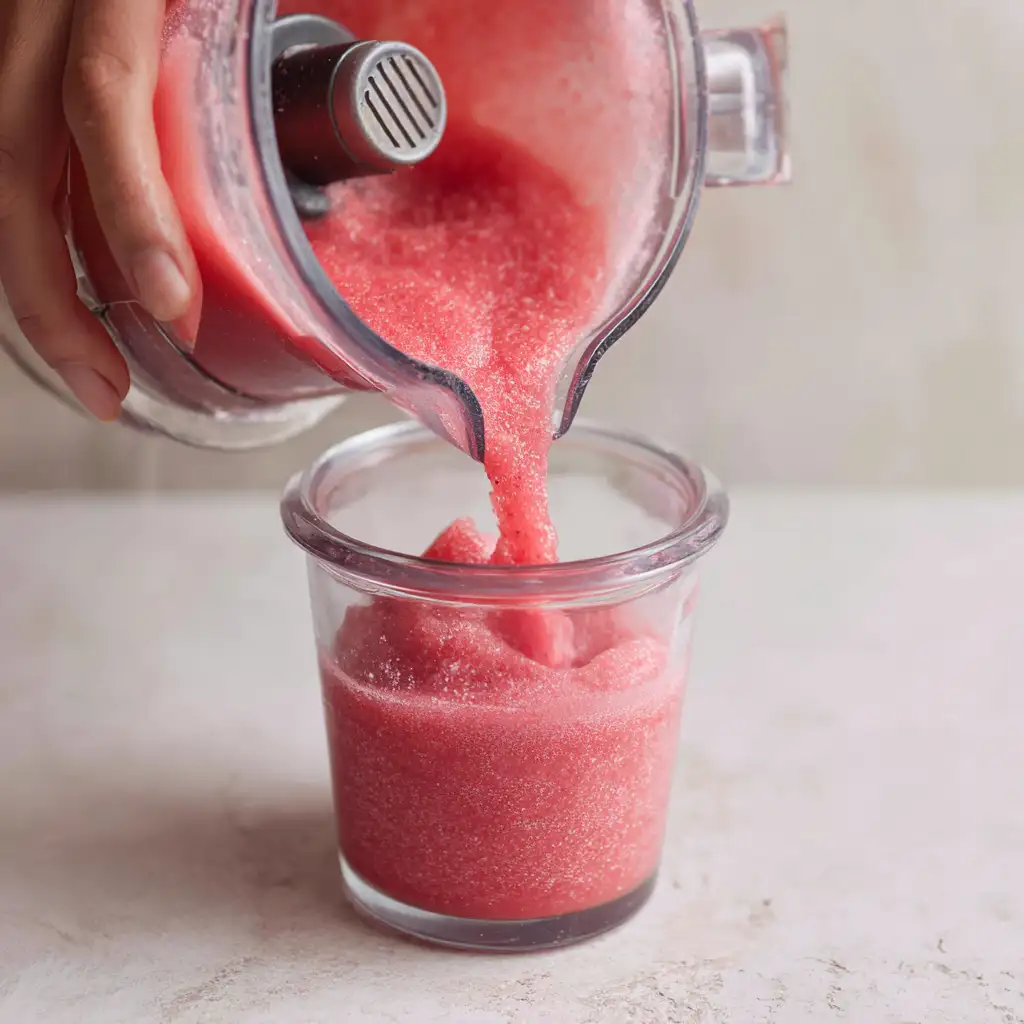
Blending the fruit base thoroughly helps prevent ice crystals, too. A high-speed blender can make a huge difference here. Once blended, chill your base for at least an hour before freezing. That short pause allows the flavors to settle and gives your sorbet a head start when it goes into the freezer.
If you’re working without an ice cream maker, spread your mixture in a shallow dish and stir every 30 to 45 minutes as it freezes. It’s a method I’ve used for years, and it works. I even took inspiration from my milk popsicle recipe and experimented with layering purees into the sorbet as it sets, fun, flavorful, and beautiful in the bowl.
With just a few small steps, you’ll find yourself making fruit sorbet that’s as creamy as any store-bought pint, without the dairy, preservatives, or guesswork.
Fruit Sorbet vs. Ice Cream, Which One Wins at Health?
Is Fruit Sorbet Healthier Than Ice Cream? Let’s Talk Real Ingredients
One of the biggest reasons people switch from ice cream to fruit sorbet is the ingredient list. And honestly, it’s a good reason. Most store-bought ice cream starts with cream, eggs, and a heavy dose of refined sugar. Fruit sorbet, on the other hand, starts with you guessed it fruit. That alone makes a huge difference.
Because fruit sorbet doesn’t rely on dairy or fat, it tends to be lower in calories, saturated fat, and cholesterol. If you’re watching your sugar, you can also cut back and sweeten it naturally. Using ripe fruit and just enough honey or agave can make the sorbet taste sweet without feeling heavy. It’s not just about cutting ingredients, it’s about choosing the right ones.
For example, when I use bananas in sorbet, they naturally add creaminess and a touch of sweetness without needing extra sugar. I often freeze extra bananas from my cottage cheese banana bread to have on hand for sorbet days. They blend beautifully and keep the texture smooth without dairy.
Fruits Bring More Than Flavor, They Bring Nutrients
Beyond being light and refreshing, fruit sorbet is packed with the natural benefits of the fruit you choose. Think vitamin C from citrus, fiber from berries, potassium from bananas, and antioxidants from things like cherries or blueberries. You’re not just eating dessert, you’re eating something that supports your body.
That’s why I love using superfruits like acai or berries in my base. My go-to island green smoothie recipe is packed with tropical fruits that also happen to work incredibly well in frozen treats. I often blend the same ingredients into a fruit sorbet base, adjusting the ratios just enough to freeze instead of sip.
It’s worth noting that while fruit sorbet does contain natural sugars, they’re part of the whole fruit, which brings fiber along for the ride. This slows how sugar is absorbed and makes sorbet a smarter sweet choice compared to most commercial ice creams or frozen yogurts filled with additives.
So is fruit sorbet healthier than ice cream? In most cases, yes. It’s lighter, easier to digest, and made with ingredients that actually come from the earth. And when you make it yourself, you control every detail from the fruit to the final texture.
Your Fruit Sorbet Questions Answered
How to make fruit sorbet simple?
Making fruit sorbet simple starts with choosing ripe fruit that tastes good on its own. You blend it with sugar or honey and a little citrus juice. That’s it. No fancy gear needed. You don’t even need an ice cream maker, just freeze the mixture in a shallow container and stir every 30 to 45 minutes until smooth. It’s the same approach I use in recipes like my strawberry chia jam, a few clean ingredients, blended well, and full of flavor. When the base is solid, the process takes care of itself.
What makes sorbet so creamy?
The secret to creamy fruit sorbet is balance. A blend of ripe fruit, the right amount of sugar, and sometimes a small splash of alcohol or lemon juice helps create that silky texture. Mango, banana, and peach are great fruits for creaminess because they’re naturally thick and smooth. A powerful blender helps too, breaking down fibers so the base freezes without ice chunks. I’ve even taken texture tips from my angel food smoothie king recipe, smooth and frothy translates well to sorbet with just a tweak.
Is fruit sorbet healthier than ice cream?
Yes, in most cases. Fruit sorbet is made from real fruit, water, and natural sweeteners, with no dairy or heavy cream. That means fewer calories, no saturated fat, and often more fiber and vitamins. Plus, when you make it at home, you skip all the stabilizers and preservatives. If you’re looking for a refreshing, lighter dessert that still satisfies your sweet tooth, fruit sorbet is a smart choice.
How to make sorbet creamy and not icy?
To avoid icy sorbet, use ripe fruit with a high pectin or fiber content, like mango or banana and the right amount of sugar. Sugar isn’t just for sweetness; it lowers the freezing point so your sorbet stays soft. If you’re freezing without a machine, stir frequently to break up crystals. And always chill your mixture before it goes into the freezer. These steps help create a smooth finish you can scoop right from the container.
Conclusion: Fruit Sorbet Is Dessert Without the Drama
Fruit sorbet brings together everything I love about dessert: it’s flavorful, refreshing, and honest. There’s no dairy to worry about, no complicated prep, and no guilt when you go back for a second scoop. Whether you’re working with mangoes in July or strawberries in spring, fruit sorbet gives you a way to make something wonderful from what you already have.
It’s also flexible. You can go tart, sweet, spicy, or even floral depending on the fruit and add-ins you choose. And with a few pantry staples and a blender, you can create a frozen treat that tastes like summer, any time of year.
So next time your fruit bowl’s overflowing, skip the baking. Grab your blender, freeze that goodness, and make your own fruit sorbet. It’s the kind of treat that fits into real life, right alongside dinner, dishes, and everything in between.
Print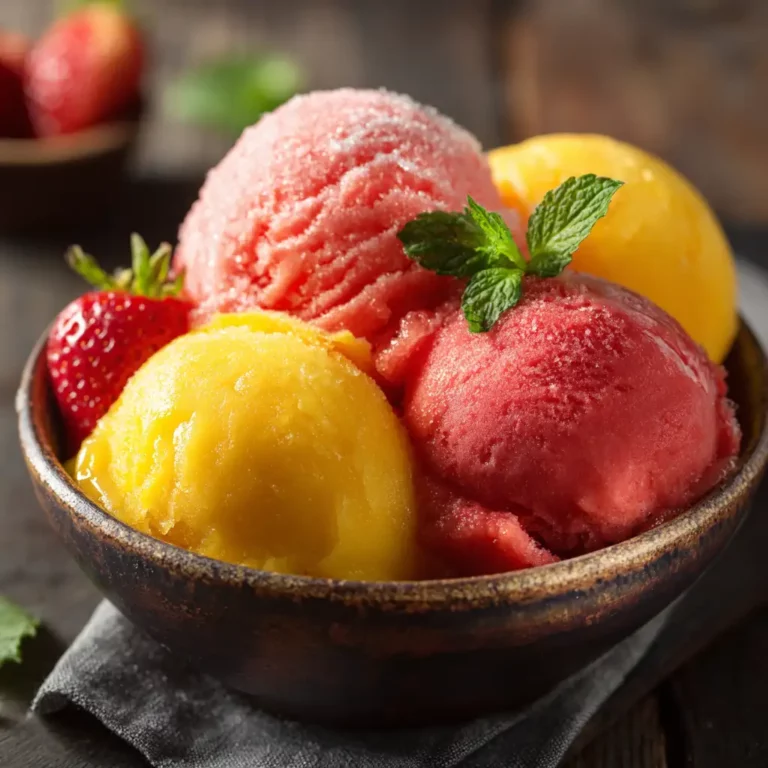
Fruit Sorbet Recipe: Easy, Creamy, Naturally Sweet Treat
A creamy, dairy-free fruit sorbet made with ripe fruit and simple ingredients, perfect for summer or a light dessert any time.
- Total Time: 4 hrs
- Yield: 4 servings 1x
Ingredients
2 cups ripe mango, chopped
1 cup strawberries, hulled
3 tablespoons sugar or honey
1 tablespoon lemon juice
1 teaspoon vodka or agave (optional for creaminess)
Instructions
1. Add fruit to a high-speed blender.
2. Blend until smooth with sugar, lemon juice, and optional vodka.
3. Chill the mixture for 1 hour in the fridge.
4. Pour into a shallow container or ice cream maker.
5. Freeze 3–4 hours, stirring every 30 minutes if no machine.
6. Scoop and serve when soft but set.
Notes
Use ripe fruit for best flavor.
Adjust sugar based on fruit sweetness.
For tart fruits like pineapple, add a bit more sweetener.
- Prep Time: 10 mins
- Cook Time: 0 mins
- Category: Dessert
- Method: Freezer
- Cuisine: American
- Diet: Vegan
Nutrition
- Serving Size: 1 scoop
- Calories: 95
- Sugar: 14g
- Sodium: 1mg
- Fat: 0g
- Saturated Fat: 0g
- Unsaturated Fat: 0g
- Trans Fat: 0g
- Carbohydrates: 24g
- Fiber: 2g
- Protein: 1g
- Cholesterol: 0mg
Follow us on Facebook for daily cozy meal ideas. Our Pinterest boards feature plenty of easy, delicious recipes to keep things fresh in the kitchen.