
Dairy free cupcakes are soft, fluffy little cakes made without any milk, butter, or cream. If you’re avoiding dairy for health reasons, allergies, or just personal choice, these cupcakes give you everything you love about dessert, without compromise. Dairy free cupcakes are just as rich, moist, and flavorful as traditional ones, and they come together with simple, everyday ingredients.
To make dairy free cupcakes, start with all-purpose flour, baking powder, baking soda, sugar, and salt. Instead of dairy milk, use almond milk or oat milk to keep things tender and moist. A neutral oil like canola replaces butter and gives the batter a smooth texture. Add apple cider vinegar to activate the baking soda and help the cupcakes rise, and mix in vanilla extract for that classic cake flavor. The dairy-free frosting is just as easy, blend plant-based butter with powdered sugar and a splash of almond milk until it’s creamy and spreadable.

The final result? Light, airy dairy free cupcakes with a golden top, soft crumb, and a sweet, balanced flavor. You’d never guess they’re made without dairy. They’re perfect for parties, school events, or late-night cravings, proof that dessert doesn’t need milk to be delicious.
Table of Contents
Why I Started Baking Dairy Free Cupcakes
A childhood favorite with a twist
Growing up in Asheville, weekend baking was a family tradition. My mom had this big ceramic mixing bowl, and every Sunday, it was filled with something sweet. Cupcakes were always my favorite, especially when my granddad added a splash of vanilla and let me lick the spoon. But back then, everything was made with butter, whole milk, and sometimes even cream. It wasn’t until my twenties, when I cut dairy for health reasons, that I realized I didn’t have to give up those cupcake memories, I just had to rethink them. That’s how I found my way to dairy free cupcakes.
At first, I thought skipping milk and butter would mean dry or bland cakes. But when I made that first batch with oat milk and coconut oil, I was shocked. They were just as soft and tender as the cupcakes I grew up on. Honestly, I think the vanilla even popped more without all that dairy weighing things down. That win gave me confidence to experiment more. Not long after, I was developing other dairy-free bakes, like dairy-free lemon bars and dairy-free cinnamon rolls, and nobody ever missed the dairy.
The secret to soft, moist cupcakes without milk
The biggest lesson I learned? You don’t need dairy to bake something rich and satisfying. When making dairy free cupcakes, the real magic comes from smart swaps and balance. Almond or oat milk gives just the right moisture, while a good neutral oil adds richness. Apple cider vinegar might seem like an odd addition, but it reacts with baking soda to create a light, fluffy crumb that’s anything but dry. These ingredients aren’t just substitutes, they’re upgrades in their own right.
Even better, baking without dairy has opened up a whole world of flavor combinations I never thought to try before. For example, pairing vanilla cupcakes with a coconut-based frosting or topping them with a hint of citrus from vegan pistachio cake inspired me to think beyond basic chocolate and vanilla. When you bake dairy free cupcakes, you’re not losing anything, you’re just baking with a new kind of creativity.
I still use that old ceramic bowl. But now, it’s full of almond milk batters and plant-based frosting. And every time I pull a fresh batch of dairy free cupcakes from the oven, I’m reminded that traditions don’t have to stay stuck in the past, they can grow with us.
The Key Ingredients That Make Dairy Free Cupcakes Work
Choosing the right dairy-free milk and fat
The heart of any good cupcake is moisture, and when you’re baking dairy free cupcakes, the milk and fat you choose make all the difference. Almond milk is my usual go-to. It’s light and neutral, so it doesn’t overpower the vanilla or chocolate in the batter. Oat milk, on the other hand, gives the cupcakes a creamier texture and a hint of natural sweetness, which I love when I want to make the base a little richer. Coconut milk can work too, but it brings a more distinct flavor, perfect for tropical-inspired recipes like the ones I use in my vegan oatmeal raisin cookies.
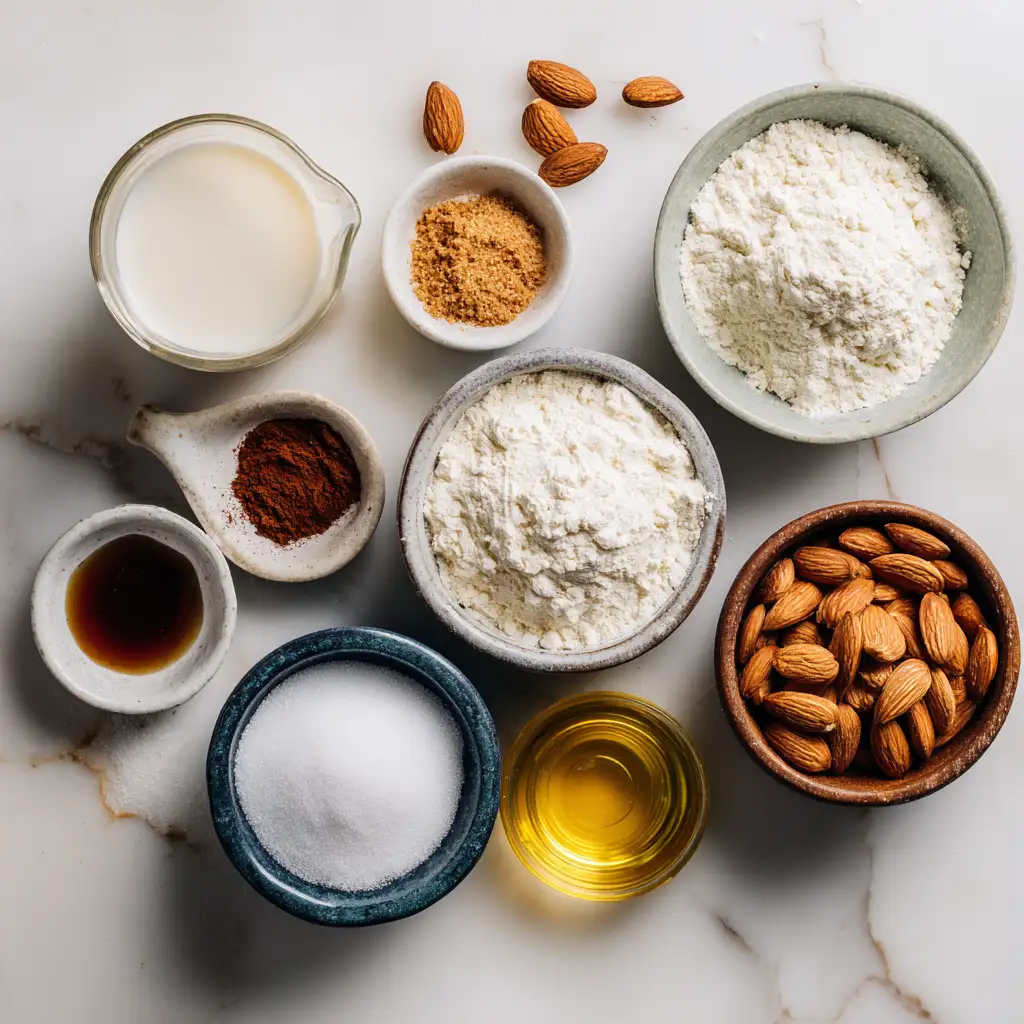
Instead of butter, I use neutral oils like canola or avocado. These fats keep the crumb moist and tender without masking the flavor. Coconut oil works well too, but it will add that familiar coconut note, which pairs beautifully with flavors like lemon or pistachio. I first tried this combo when I was testing ideas for my vegan pistachio pudding, and it translated perfectly into my cupcake game. The right fat doesn’t just make dairy free cupcakes moist, it helps carry the flavors evenly throughout the batter.
Smart baking swaps that don’t sacrifice texture
One question I get a lot is: how do dairy free cupcakes rise without milk or butter? The answer is chemistry. A splash of apple cider vinegar activates the baking soda, giving the cupcakes that beautiful dome on top and a soft interior. This trick is especially helpful when you’re using non-dairy ingredients, which sometimes need a boost in the leavening department. I use this combo often when baking vegan chocolate pudding as well, it makes a difference every time.
Another helpful ingredient? Unsweetened applesauce or mashed banana. Either one adds moisture and a touch of natural sweetness. They’re great for reducing the amount of added sugar, too, especially in cupcakes made for kids or anyone watching their intake. I like using applesauce when I want the vanilla to shine, and banana when I’m leaning into flavors like cinnamon or nutmeg.
When you’re baking dairy free cupcakes, it’s not just about replacing what’s missing. It’s about choosing ingredients that make each bite better, softer, and more flavorful. With the right mix, you get cupcakes that feel familiar, but taste even better than you remember.
How to Bake the Best Dairy Free Cupcakes at Home
Step-by-step baking tips for perfect texture
Baking dairy free cupcakes might sound tricky at first, but once you’ve done it a few times, it becomes second nature. The real secret is mixing your wet and dry ingredients just right. Start by whisking together flour, baking soda, baking powder, and a pinch of salt in a big bowl. In a separate bowl, combine almond milk or oat milk with apple cider vinegar, vanilla extract, oil, and sugar. Give it a minute or two, this gives the vinegar time to react and start working with the baking soda later.
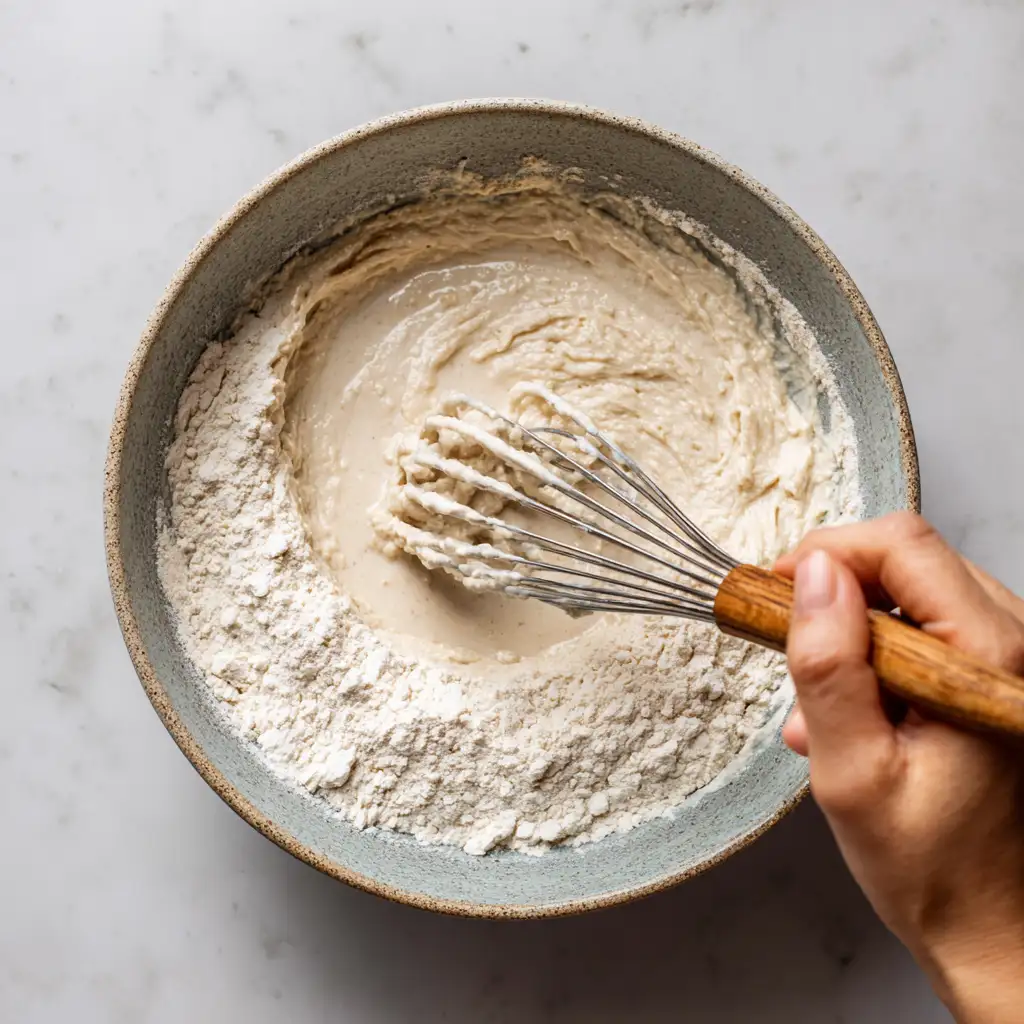
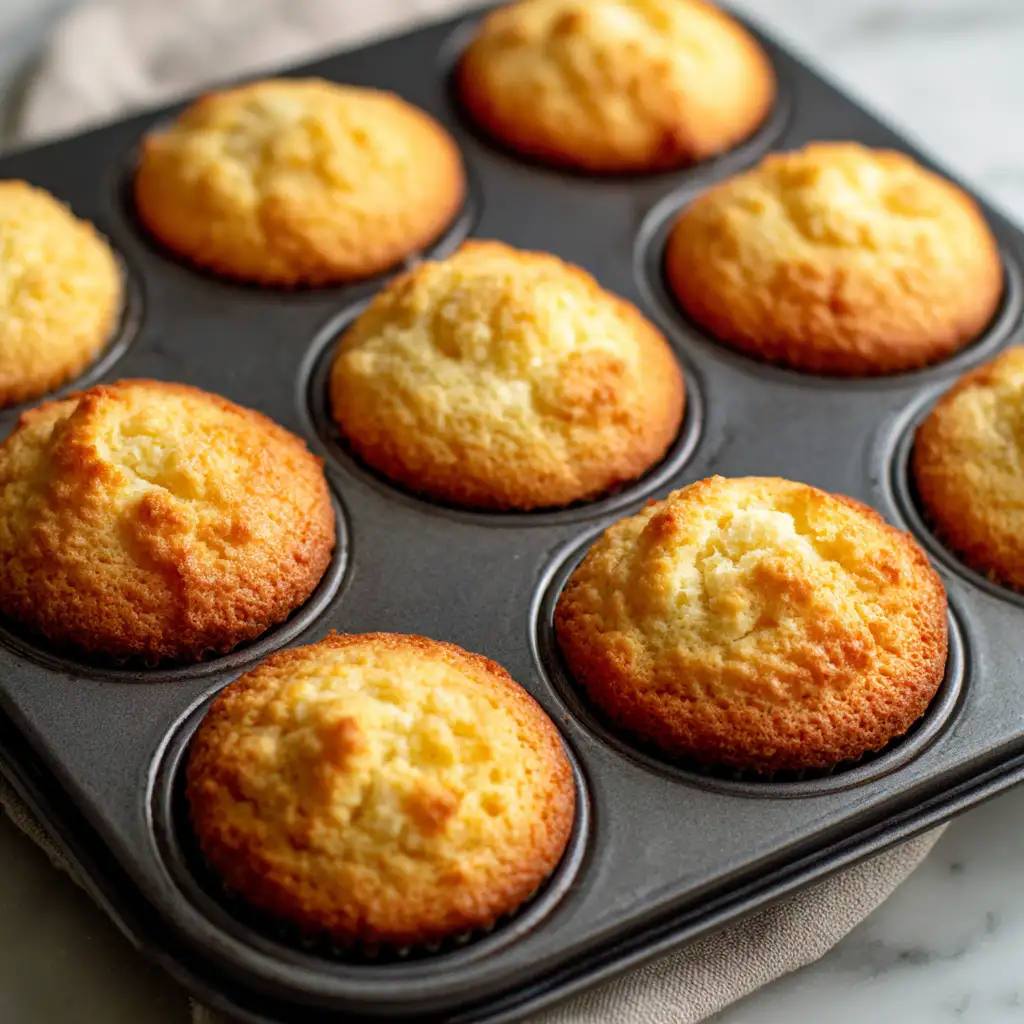
Then, pour the wet ingredients into the dry, mixing gently until you don’t see any more streaks of flour. Don’t overmix. That’s how you avoid dense cupcakes. The batter should be smooth but not runny. Spoon it into a lined cupcake pan, filling each cup about two-thirds full. Pop the tray in the oven at 350°F and bake for about 18 to 22 minutes. You’ll know they’re done when a toothpick comes out clean and the tops bounce back when lightly pressed.
This method is what I follow for many of my dairy-free bakes, including the soft centers in these dairy-free cinnamon rolls. It works beautifully for cupcakes, too, giving them that classic rise and delicate crumb that makes each bite a joy.
Frosting and topping ideas that keep it dairy free
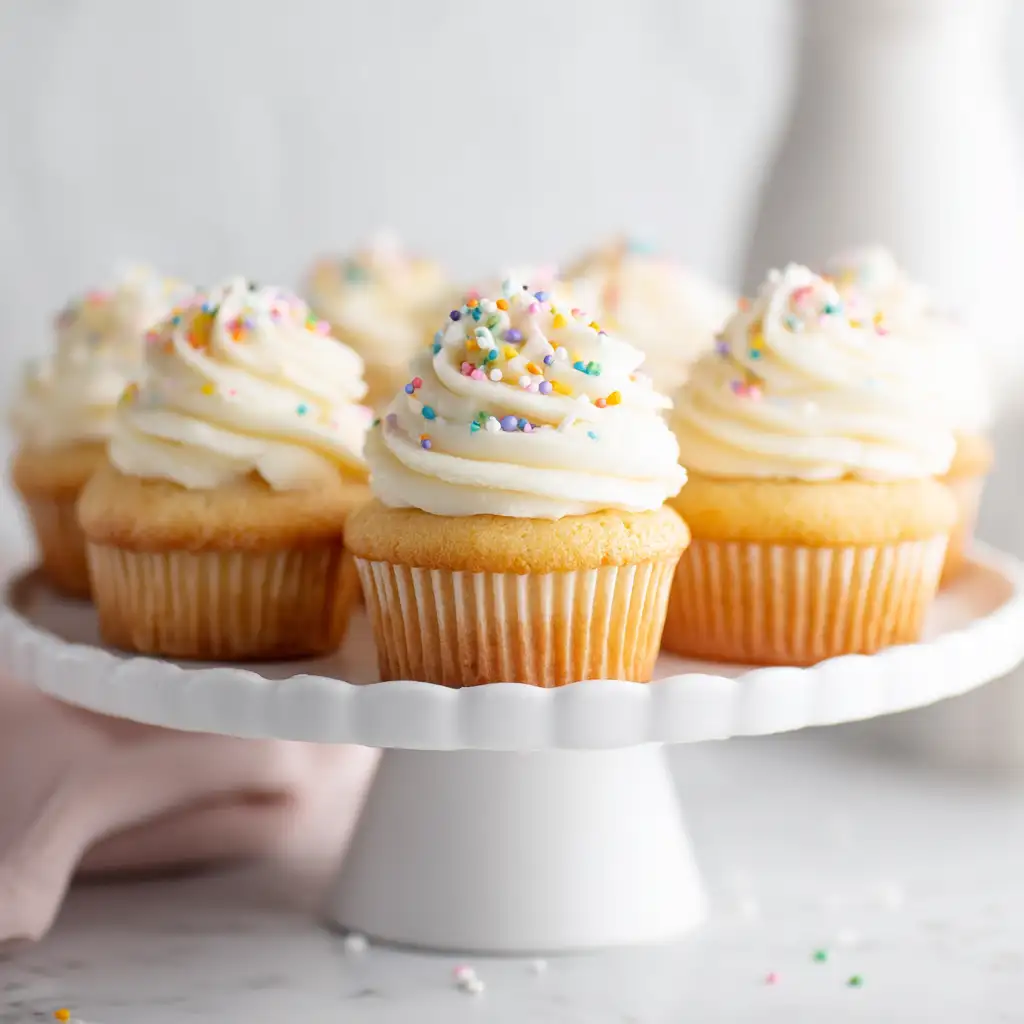
Once your dairy free cupcakes have cooled, it’s time for frosting. I use plant-based butter and powdered sugar with a splash of oat or almond milk. Beat it until fluffy, and add a pinch of salt to balance the sweetness. This basic frosting is creamy, smooth, and pipeable, perfect for any celebration. For flavor variations, try adding cocoa powder for a chocolate version or a spoonful of lemon zest for something bright and fresh.
If you’re looking for creative toppings, go beyond sprinkles. I’ve topped cupcakes with crushed cookies, toasted coconut, even bits of my vegan Snickers bar recipe for a salty-sweet twist. A drizzle of melted dark chocolate or a spoonful of vegan mocha ice cream on the side turns a simple cupcake into a show-stopping dessert.
The key with dairy free cupcakes is to treat them like any great bake: make them with intention, taste as you go, and don’t be afraid to get a little creative. You’re not baking a substitute, you’re baking something worth sharing, and that makes all the difference.
Customizing Dairy Free Cupcakes for Every Craving
Flavor variations that keep things interesting
One of the best things about dairy free cupcakes is how easy they are to personalize. Once you’ve got the base recipe down, you can switch up flavors with just a few ingredients. Love chocolate? Add unsweetened cocoa powder to the dry mix and stir in dairy-free chocolate chips before baking. I’ve even crumbled bits of my vegan Snickers bar into the batter for a sweet surprise in every bite.
If you’re more into fruity cupcakes, fold in fresh or freeze-dried strawberries, raspberries, or blueberries. A swirl of lemon zest and a bit of juice brightens everything up, kind of like how I balance flavors in my dairy-free lemon bars. Matcha powder is another great addition if you want a subtle earthy flavor with a pop of green. It’s especially fun when topped with a vegan cream cheese frosting or coconut whipped topping.
These simple swaps make dairy free cupcakes feel fresh and new each time you bake them. Whether you’re sticking to classic vanilla or getting adventurous with coconut-lime or pistachio-rose, the base batter handles it all without losing texture or structure.
Storing and serving for best results
After baking, you’ll want to store your dairy free cupcakes the right way to keep them tasting great. If you’re serving them the same day, just let them cool completely and leave them uncovered until you’re ready to frost. For longer storage, keep them in an airtight container at room temperature for up to two days, or refrigerate them for four to five days. I always recommend frosting them just before serving for the freshest flavor and look.
Freezing is easy too. Just wrap unfrosted cupcakes in plastic wrap, then pop them in a freezer bag. They’ll hold up for a month, maybe longer. When you’re ready, defrost at room temperature and frost as usual. I often freeze extra batches so I’m never more than a few minutes away from a sweet treat, especially useful when I’m making desserts like vegan oatmeal raisin cookies and want something quick on the side.
Whether you’re baking for birthdays, potlucks, or just your own quiet weekend treat, dairy free cupcakes are a smart, tasty option that won’t leave anyone feeling like they’re missing out. With just a little planning, you’ll have a dessert that’s full of flavor, easy to store, and always ready to share.
FAQs About Baking Dairy Free Cupcakes
What dairy-free milk is best for cupcakes?
The best milk for dairy free cupcakes depends on the flavor and texture you’re going for. Almond milk is my favorite for most bakes, it’s light, neutral, and blends beautifully with vanilla and chocolate. Oat milk is creamier and adds natural sweetness, which works great in richer batters. Coconut milk gives a unique flavor and extra moisture, making it ideal for tropical-inspired cupcakes. When I tested the base for my vegan mocha ice cream, oat milk gave the creamiest texture, and I often use the same principle in baking. If you’re experimenting, try a few options and see which texture you love most. Just make sure you always go for the unsweetened, unflavored versions.
Can dairy-free people eat cupcakes?
Absolutely. Dairy free cupcakes are designed for people who avoid milk, butter, or cream, whether it’s due to lactose intolerance, allergies, or lifestyle. As long as the recipe doesn’t include any dairy-based ingredients, it’s fair game. In fact, some of my regular testers actually prefer the taste and texture of these cupcakes over traditional ones. And they’re not even dairy-free eaters! Just like my vegan pistachio cake, these cupcakes are a great option for mixed groups, you’ll never have to bake separate batches again.
What is a dairy-free substitute for baking?
There are lots of easy swaps when baking dairy free cupcakes. Use almond, oat, or coconut milk in place of dairy milk. Butter can be swapped for canola oil, avocado oil, or plant-based butter. Even ingredients like applesauce or mashed banana can add moisture in place of yogurt or sour cream. These choices don’t just mimic the function of dairy, they often enhance the flavor or texture. I use similar swaps when baking treats like vegan chocolate pudding where creaminess is key.
What is a dairy-free milk substitute for cake?
For cake and cupcake batters, unsweetened almond milk is a dependable substitute. It has a neutral flavor and a thin consistency, which works well in most recipes. Oat milk is thicker and adds richness, which can make your dairy free cupcakes feel more indulgent. If you’re going for a bold, nutty or tropical cake, try coconut milk. For something subtle and simple, almond milk is your best bet. The trick is to pair the milk with the right flavor profile, just like I do in my dairy-free cinnamon rolls, where almond milk helps achieve the soft, pillowy texture we all love.
Conclusion
Baking dairy free cupcakes isn’t about making sacrifices, it’s about finding smart, simple ways to enjoy sweets without the dairy. Whether you’re choosing almond milk, coconut oil, or a frosting made with plant butter, you’re still getting the moist texture and rich flavor cupcakes are known for. From your first batch to your next flavor twist, there’s so much you can do with a good dairy-free base. These cupcakes aren’t just “good for dairy-free.” They’re just good period.
Print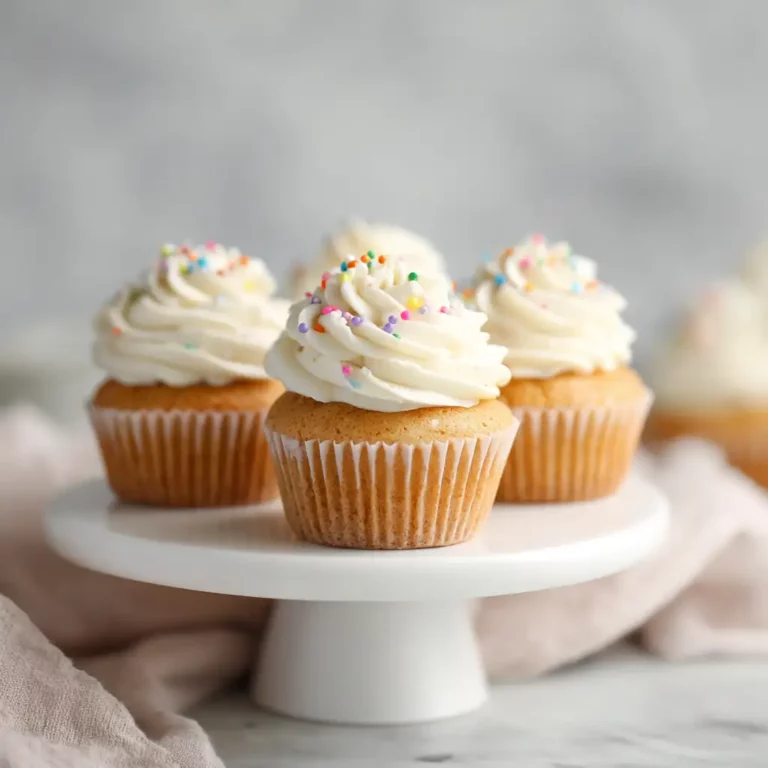
Dairy Free Cupcakes That Actually Taste Good – Moist, Simple, and Fluffy
Soft, moist, and fluffy dairy free cupcakes made with simple ingredients. Perfect for anyone avoiding milk or butter.
- Total Time: 30 minutes
- Yield: 12 cupcakes 1x
Ingredients
1 ½ cups all-purpose flour
¾ cup granulated sugar
1 tsp baking soda
1 tsp baking powder
¼ tsp salt
1 cup unsweetened almond milk
1 tbsp apple cider vinegar
⅓ cup neutral oil (canola or avocado)
1 ½ tsp vanilla extract
Instructions
1. Preheat oven to 350°F and line a 12-cup muffin pan with liners.
2. Whisk together flour, sugar, baking soda, baking powder, and salt.
3. In another bowl, combine almond milk, vinegar, oil, and vanilla. Let sit for 2 minutes.
4. Pour wet mixture into dry and stir until just combined.
5. Divide batter evenly into muffin cups.
6. Bake for 18–22 minutes or until a toothpick comes out clean.
7. Let cool in pan for 5 minutes, then transfer to wire rack to cool completely.
8. Frost and serve!
Notes
Use oat milk for a creamier texture.
Store frosted cupcakes in an airtight container for up to 3 days.
Unfrosted cupcakes freeze well for up to 1 month.
- Prep Time: 10 minutes
- Cook Time: 20 minutes
- Category: Dessert
- Method: Baking
- Cuisine: American
Nutrition
- Serving Size: 1 cupcake
- Calories: 190
- Sugar: 16g
- Sodium: 140mg
- Fat: 7g
- Saturated Fat: 0.5g
- Unsaturated Fat: 6.5g
- Trans Fat: 0g
- Carbohydrates: 29g
- Fiber: 1g
- Protein: 2g
- Cholesterol: 0mg
Follow us on Facebook for daily cozy meal ideas. Our Pinterest boards feature plenty of easy, delicious recipes to keep things fresh in the kitchen.