
If you’ve ever bought pistachio paste, you know it’s expensive and not always easy to find. The good news? You can make your own at home with just three ingredients. It’s surprisingly simple, and the flavor is so much better than store-bought. This homemade version is smooth, fresh, and full of that deep pistachio taste you want for baking, desserts, or even spreading on toast. Once you try it, you’ll probably never go back to the packaged kind.
In this guide, we’ll show you exactly how to make pistachio paste in your own kitchen. We’ll cover what kind of pistachios work best, how to get that vibrant green color, and the tricks to turning raw nuts into a silky-smooth paste. You’ll also learn how to adjust the texture, how to turn it into pistachio cream, and how to store it properly.
We’ll even answer common questions like “Is pistachio paste the same as pistachio cream?” and “How do you make pistachio spread?” So if you’re ready to learn how to make pistachio paste that’s fresher, tastier, and more natural than anything you’ll find in stores, you’re in the right place.
Don’t miss our article on pistachio flour benefits if you’re looking to explore more ways to cook with pistachios beyond pudding.
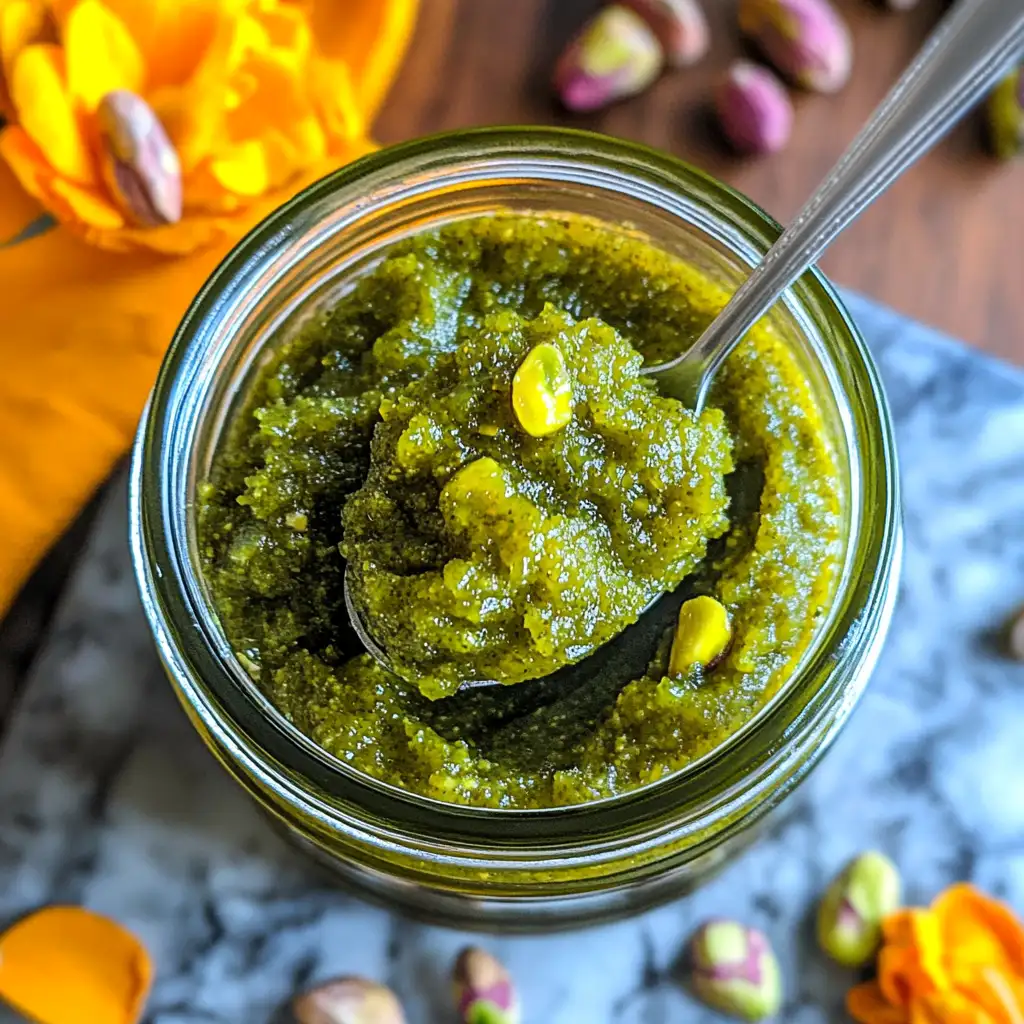
Table of Contents
Choosing the Best Pistachios for Making Pistachio Paste
Picking the Right Kind of Pistachios
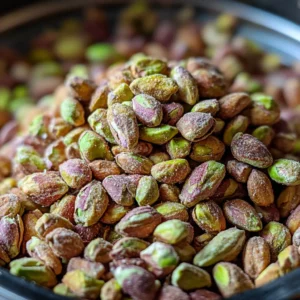
When you’re figuring out how to make pistachio paste, start with the right nuts. Raw, shelled pistachios are the gold standard. Avoid roasted or salted ones. Roasting changes the flavor and dulls that bright green color you’re aiming for, while salt can mess with the balance of your final paste.
Raw pistachios are naturally creamy and packed with oils that help create a smooth texture. These oils are key when you’re blending them into paste. Choose nuts that are bright green on the inside — this color translates into a visually rich paste. If they look too yellow or pale, your pistachio paste won’t pop.
Buying from a bulk bin at a natural foods store can help you find the freshest option.
Why Blanching Matters for Pistachio Paste
A big part of mastering how to make pistachio paste is blanching. This step loosens the thin skin on the nuts, which keeps your paste from turning brown or gritty.
Boil water, drop in the pistachios for a minute, then transfer them to ice water. Peel by gently rubbing them with a towel. Removing the skins is what gives your paste that signature smoothness and green color.
Once you’ve got your pistachios peeled, you’re ready to dive into the next step in how to make pistachio paste: blanching and peeling like a pro.
Print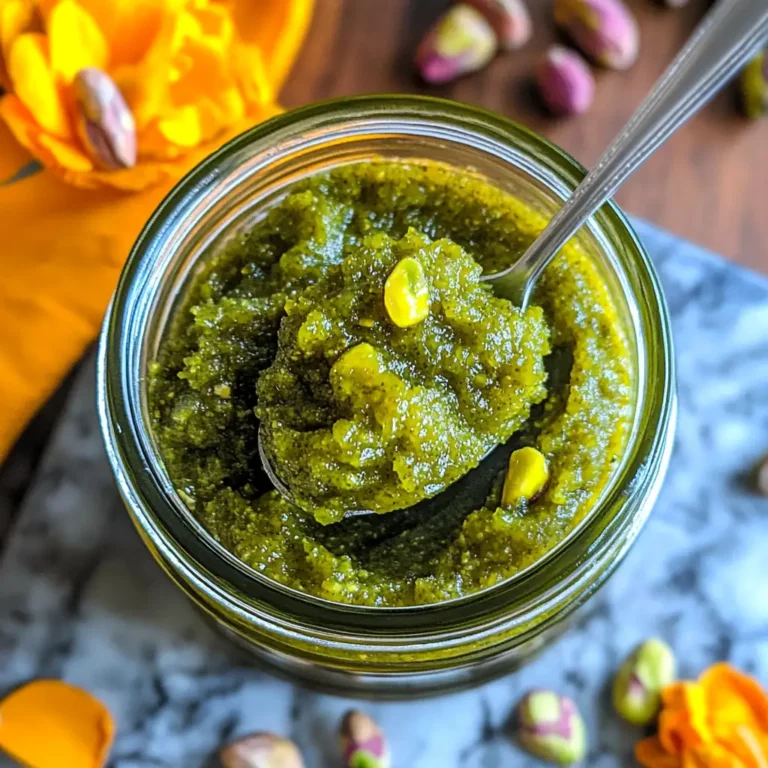
How to Make Pistachio Paste: A Step-by-Step Guide
Learn how to make pistachio paste from scratch with this easy guide. This creamy, nutty spread is perfect for both sweet and savory dishes, and it’s healthier than store-bought versions.
- Total Time: 20 minutes
- Yield: 1 cup 1x
Ingredients
- 2 cups raw, shelled pistachios (unsalted)
- Water for blanching
- Ice water for cooling
- Neutral oil (e.g., grapeseed or avocado, optional)
- Pinch of salt (optional)
- Optional: almond or vanilla extract
Instructions
- Boil water and blanch pistachios for 1 minute.
- Transfer pistachios to ice water to cool, then drain.
- Rub pistachios with a towel to remove skins completely.
- Place peeled pistachios in a food processor and pulse to break them down.
- Blend continuously until the mixture becomes a smooth, creamy paste.
Grinding pistachios into smooth paste. - Add oil a teaspoon at a time for a smoother texture if needed.
- Season with a pinch of salt or a drop of almond/vanilla extract for flavor.
- Store in an airtight container in the fridge for up to a week or freeze in cubes for long-term use.
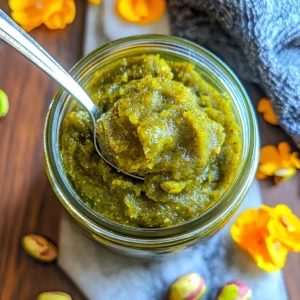
Smooth and creamy homemade pistachio paste.
Notes
For vibrant color and smooth texture, never skip blanching and peeling. Avoid overprocessing to prevent oil separation.
- Prep Time: 20 minutes
- Cook Time: 0 minutes
- Category: Condiment
- Method: Blending
- Cuisine: Mediterranean
- Diet: Vegan
Nutrition
- Serving Size: 1 tablespoon
- Calories: 90
- Sugar: 1g
- Sodium: 0mg
- Fat: 7g
- Saturated Fat: 1g
- Unsaturated Fat: 6g
- Trans Fat: 0g
- Carbohydrates: 4g
- Fiber: 1g
- Protein: 3g
- Cholesterol: 0mg
Blanching and Peeling for the Perfect Pistachio Paste
How to Blanch Pistachios the Right Way
Blanching is a crucial step in how to make pistachio paste that’s smooth and vibrant. It removes the thin skins that can make your paste grainy and dull in color.
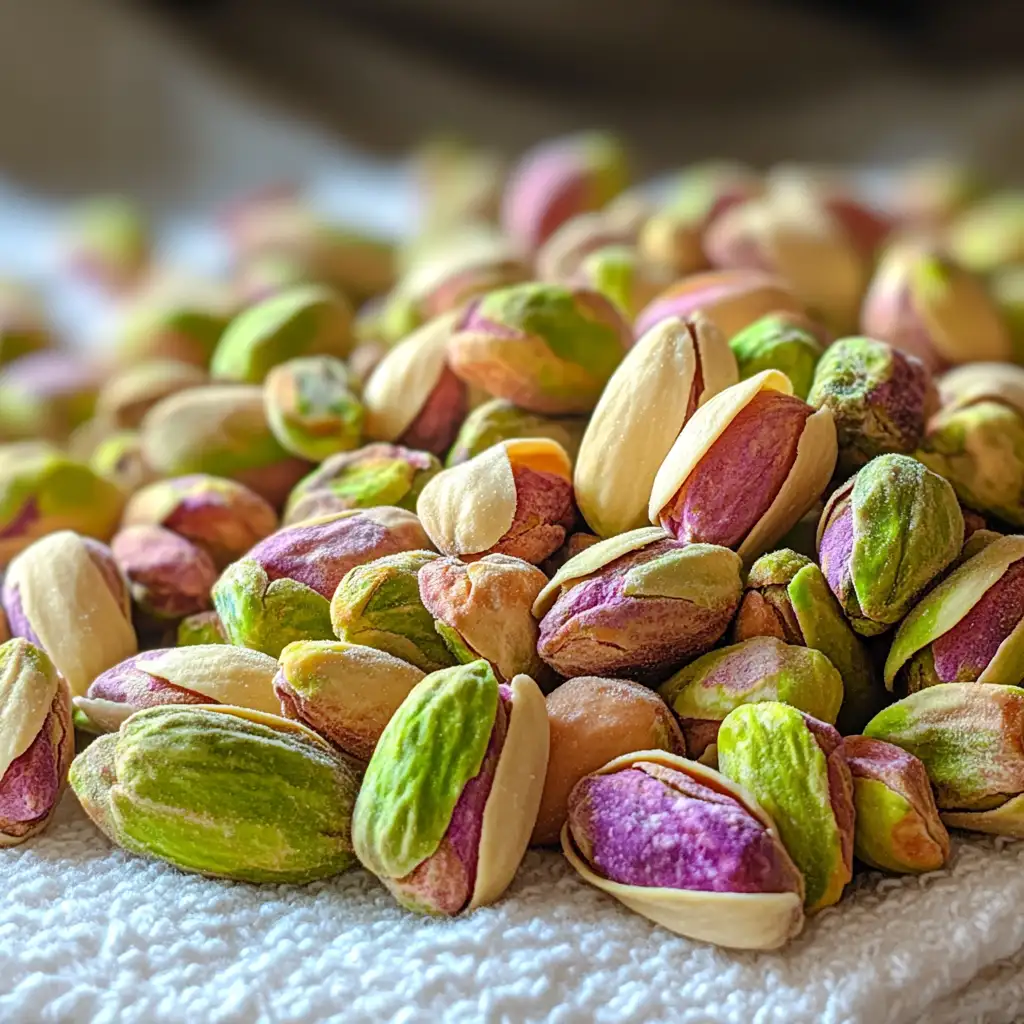
Start by bringing a pot of water to a boil. Add your raw pistachios and boil them for just 60 seconds — any longer and you risk cooking the nuts. After boiling, quickly drain the pistachios and plunge them into a bowl of ice water. This stops the cooking and helps loosen the skins.
Let them sit for a few minutes in the ice bath, then drain again.
Peeling Without Losing Your Mind
Once your pistachios are blanched and cooled, the skins should come off easily. Grab a clean kitchen towel, pour the nuts on it, and gently rub them around. You’ll notice the skins slipping off. If some are stubborn, pinch them gently between your fingers.
Getting every bit of skin off might feel tedious, but it’s totally worth it. In the world of how to make pistachio paste, this is the step that separates good from great. Clean, peeled nuts give you that dreamy green paste everyone loves.
Now that you’ve prepped the pistachios, it’s time to blend them into a smooth paste. Ready? Let’s move on.
Grinding the Pistachios into a Smooth Paste
Tools You Need to Make Pistachio Paste
If you’re serious about learning how to make pistachio paste, you’ll need the right gear. A high-powered food processor or blender is essential. You don’t need anything fancy, but the machine should be strong enough to handle nuts without overheating. A silicone spatula also helps you scrape the sides and keep everything moving.
Make sure the equipment is clean and completely dry before you start. Any moisture can mess with the texture.
The Grinding Process Step-by-Step
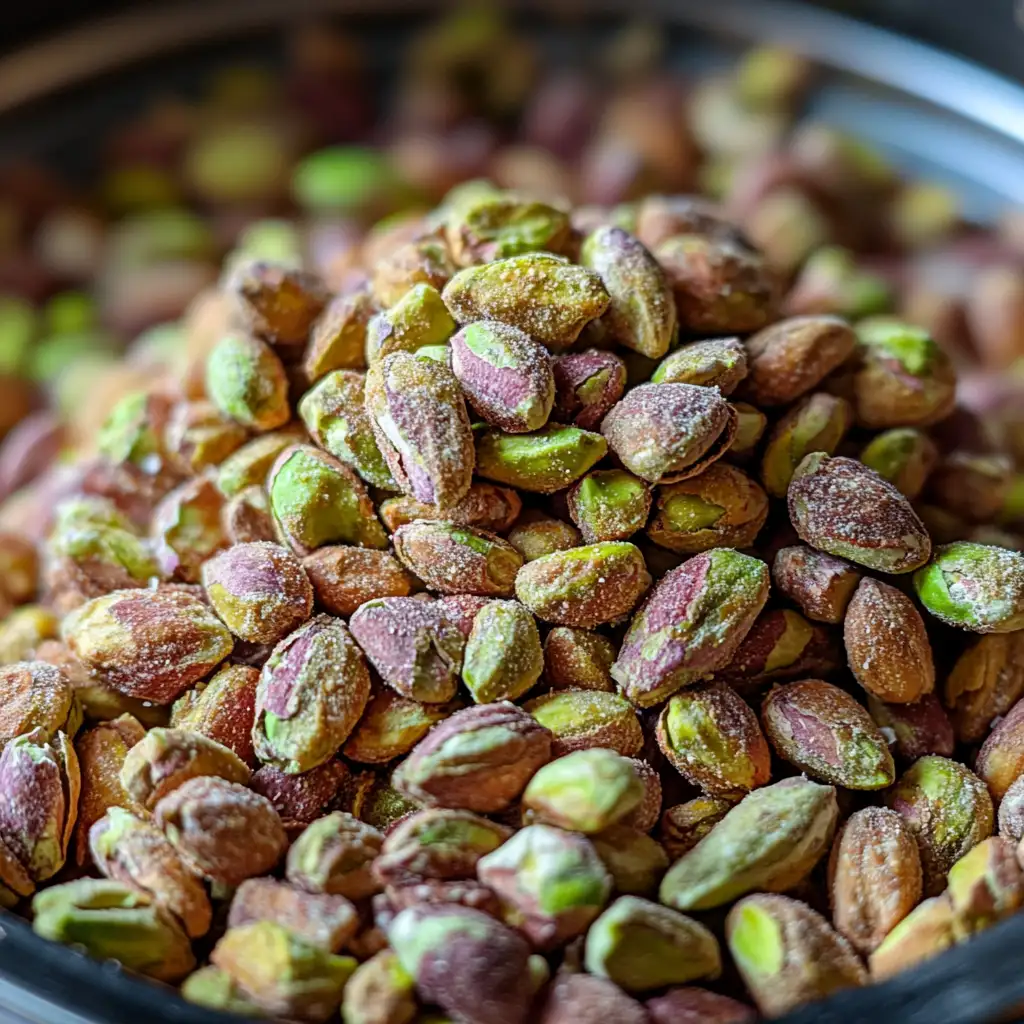
Place your peeled pistachios into the food processor. Pulse a few times to break them down into crumbs. Then, process continuously for a few minutes. The pistachios will go from crumbly to doughy, and eventually release their oils to form a smooth paste.
Scrape down the sides every minute or so to make sure everything blends evenly. Be patient — this part takes a bit of time. You’ll know it’s done when the mixture turns creamy and spreadable.
A lot of guides on how to make pistachio paste skip the part about watching your machine for signs of overheating. If it starts getting warm, pause and let it cool down before continuing.
Up next: how to adjust your pistachio paste’s consistency and flavor to suit your recipe.
Adjusting Texture and Flavor for Your Pistachio Paste
Making It Smoother or Thicker
Once you’ve got your base paste, the next step in how to make pistachio paste is dialing in the texture. Want it smoother? Add a little neutral oil like grapeseed or avocado. Just a teaspoon at a time. Blend it in, check the texture, and keep going until you like the result.
If you prefer a thicker consistency, you can leave it as-is. Some folks like their paste dense and slightly gritty, especially if they’re using it in baked goods where it melts down anyway.
Always make sure you blend the oil fully, so the paste doesn’t separate later. And don’t add too much at once — you can always add more, but you can’t take it back.
Boosting Flavor Without Overdoing It
Another layer of how to make pistachio paste is customizing the flavor. A tiny pinch of salt can enhance the nuttiness. You can also add a drop of almond extract or vanilla for a twist, especially if the paste is going into desserts.
Just go easy. You want to enhance the pistachio flavor, not cover it up. A light touch goes a long way.
Now that your paste is the perfect consistency and flavor, let’s talk about how to store it properly.
Storing Pistachio Paste the Right Way
Short-Term Storage for Freshness
After you’ve gone through all the steps on how to make pistachio paste, the last thing you want is for it to spoil quickly. For short-term use, store your pistachio paste in an airtight container and keep it in the fridge. It’ll stay fresh for about a week.
Make sure to press a piece of plastic wrap directly onto the surface before sealing the lid. This helps prevent oxidation and keeps the color bright green. No one wants to see their vibrant paste turn dull brown.
Label the container with the date so you don’t forget how long it’s been sitting there.
Freezing for Long-Term Use
If you’re making a big batch or just want to prep ahead, freezing is a great option. One of the best tricks in how to make pistachio paste last longer is using an ice cube tray. Spoon the paste into each cube slot, freeze it, then pop the cubes out and store them in a freezer bag.
This way, you can defrost only what you need. Frozen pistachio paste holds up for about three months without losing much flavor or texture.
Now that you’ve got your storage sorted, let’s look at some delicious ways to use your pistachio paste.
Delicious Ways to Use Pistachio Paste
Sweet and Savory Ideas You’ll Love
One of the best parts of learning how to make pistachio paste is figuring out all the amazing ways to use it. In desserts, it’s a natural fit. You can swirl it into cake batter, pipe it into cream puffs, or blend it into buttercream. It’s also a staple in pistachio macarons and gelato.
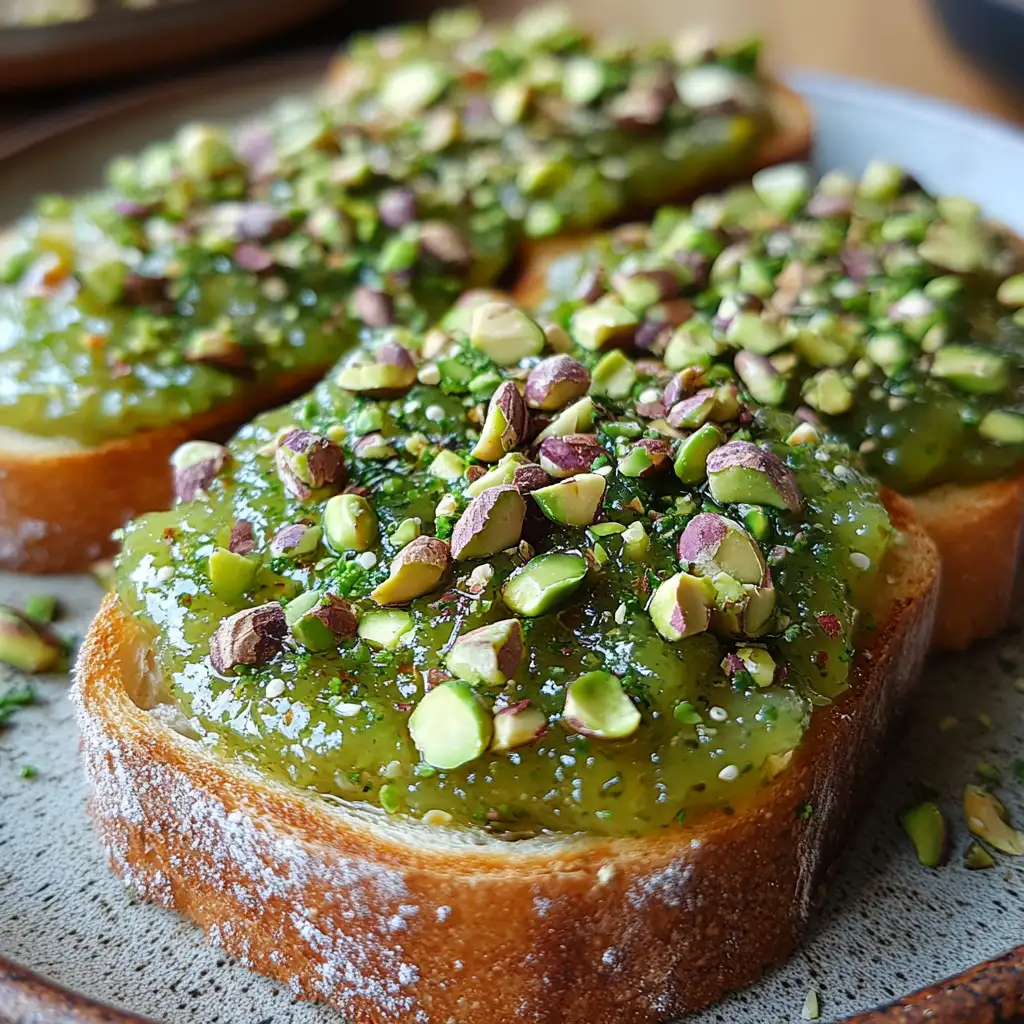
Looking for something simpler? Spread it on toast, drizzle it over oatmeal, or stir a spoonful into Greek yogurt. It adds a protein-packed, nutty kick to your breakfast or snack.
Going Beyond Dessert
Not everything made with pistachios has to be sweet. Pistachio paste can be mixed into savory sauces or used as a base for dips. Try combining it with lemon juice, olive oil, and a little garlic for a vibrant sauce that’s great on roasted veggies or grilled chicken.
Because how to make pistachio paste gives you a blank canvas, you can tweak it for sweet or savory recipes. Its versatility is one of the reasons so many cooks keep it on hand.
Health Benefits of Homemade Pistachio Paste
Nutrient Powerhouse in Every Spoonful
One overlooked bonus of learning how to make pistachio paste at home is that it’s actually good for you. Pistachios are loaded with nutrients like vitamin B6, potassium, and magnesium. They’re also high in antioxidants and healthy fats, especially monounsaturated fats that support heart health.
Unlike store-bought versions, homemade pistachio paste doesn’t contain extra sugars, oils, or preservatives. That means you’re getting all the nutritional value with none of the filler. It’s plant-based, naturally gluten-free, and a smart way to add richness to recipes without compromising on health.
If you’re watching your sugar intake or following a clean-eating plan, this is one ingredient you can feel good about.
Protein and Fiber That Keep You Going
Pistachios are surprisingly high in protein for a nut — about 6 grams per ounce. That protein, paired with fiber and healthy fats, makes pistachio paste a great energy booster. Whether you’re spreading it on toast before a workout or blending it into a smoothie, it’s fuel that tastes amazing.
So beyond just knowing how to make pistachio paste, you’re adding something to your kitchen that supports your health goals.
Common Mistakes to Avoid When Making Pistachio Paste
Overprocessing the Nuts
One mistake people often make when learning how to make pistachio paste is overprocessing the nuts. It might seem like the longer you blend, the smoother it gets — but that’s not always true. If you go too far, you risk breaking the paste and separating the oils. The result? An oily, gritty mess instead of the creamy texture you want.
The trick is to stop blending once the mixture becomes a thick, uniform paste. If it starts to get shiny or slick, that’s your cue to slow down and maybe take a break before blending more.
Skipping the Blanching Step
Another big slip-up in how to make pistachio paste is skipping the blanching process. We get it — peeling pistachios isn’t fun. But leaving the skins on makes your paste brown and grainy. It also adds a slightly bitter taste that can throw off your final dish.
If you want that classic green pistachio look and smooth feel, blanching isn’t optional. It’s what separates the okay pastes from the great ones.
Being aware of these small but important details can make all the difference. Next, let’s clear up a few common questions about pistachio paste and cream.

Frequently Asked Questions About Pistachio Paste
How to make pistachios into a paste?
To turn pistachios into a paste, you first need to blanch and peel them to remove the skins. Then, using a food processor, blend the nuts until they release their natural oils and form a smooth, thick paste. You can add a bit of neutral oil to improve texture if needed. This is the basic process for anyone learning how to make pistachio paste from scratch.
Is pistachio paste the same as pistachio cream?
No, they’re not the same. Pistachio paste is made from 100% pure ground pistachios with no added sugar or fat. Pistachio cream, on the other hand, is a sweetened spread that usually includes ingredients like white chocolate, sugar, or dairy to make it smooth and dessert-ready. If you’re following steps on how to make pistachio paste, you’re sticking with just the nuts (and maybe a touch of oil).
How to make pistachio cream spread?
Start with your homemade pistachio paste. Add sugar, white chocolate, or even condensed milk depending on how sweet and creamy you want it. Blend everything together until smooth.
How to get pistachio spread?
You can buy it online or in gourmet stores, but if you’ve already learned how to make pistachio paste, you can easily turn that into a pistachio spread with just a few added ingredients.
Conclusion: Mastering the Art of Pistachio Paste at Home
Now that you know how to make pistachio paste step by step, you’ve got a delicious, versatile ingredient that can elevate everything from morning toast to fine desserts. The beauty of making it at home is the total control you have — no additives, no artificial flavors, just pure pistachio goodness.
You’ve learned how to pick the right nuts, how to blanch and peel them for the smoothest texture, how to blend them properly, and even how to adjust flavor and consistency based on how you plan to use it. And if you’ve ever asked whether pistachio cream is the same thing, now you know — it’s not, but you can make that too starting from your homemade paste.
Whether you’re baking, cooking, or snacking, understanding how to make pistachio paste unlocks a new level of flavor in your kitchen. It’s one of those little skills that pays off big in both taste and health.
Follow us on Facebook for daily cozy meal ideas. Our Pinterest boards feature plenty of easy, delicious recipes to keep things fresh in the kitchen.