
Vegan pistachio pudding is more than just a dessert, it’s a creamy, nutty little bowl of comfort that’s surprisingly simple to make at home. Whether you’re plant-based by choice, navigating dietary restrictions, or just craving something rich and satisfying without the dairy, this pudding ticks all the right boxes. It’s smooth, lightly sweet, and packed with real pistachio flavor, none of that artificial green fluff.
In this article, we’re diving into everything you need to know about making the best vegan pistachio pudding from scratch. You’ll learn what ingredients you need (and what you can swap), how to nail the texture, and fun ways to serve it. We’ll also clear up common questions like why most boxed puddings aren’t vegan and how to whip up your own pistachio cream without using dairy.
Looking for inspiration? Try our pistachio latte recipe if you’re craving something warm and nutty to sip while your pudding sets.

Table of Contents
Understanding Vegan Pistachio Pudding
What is Vegan Pistachio Pudding?
Vegan pistachio pudding is a plant-based twist on the classic dessert, made without any animal-derived ingredients like milk, eggs, or gelatin. Instead, it uses blended pistachios, non-dairy milk, natural sweeteners, and a thickening agent like cornstarch or arrowroot to achieve that rich, spoonable texture we all love.
It stands out from many other vegan puddings because of its naturally nutty flavor. Unlike banana or chocolate varieties that rely on strong, familiar tastes, this one leans on the delicate, earthy flavor of pistachios. When done right, it’s smooth, fragrant, and slightly savory-sweet, making it feel both indulgent and balanced.
Nutritional Benefits of Vegan Pistachio Pudding
Let’s be honest, when you think “pudding,” health probably isn’t the first thing that comes to mind. But vegan pistachio pudding packs more nutritional punch than you’d expect.
Pistachios themselves are little powerhouses. They’re full of healthy fats, especially monounsaturated fats that are great for your heart. They’re also a good source of plant-based protein and fiber, which means this dessert can actually help keep you full.
If you’re using fortified non-dairy milk like almond or oat milk, you’ll also get a boost of calcium and vitamin D. Add in a natural sweetener like maple syrup or dates, and now you’ve got antioxidants and trace minerals, too. And the best part? You get all that goodness without the cholesterol, saturated fat, or additives found in some dairy-based puddings.
Discover great ideas like our pistachio cheesecake bars if you’re curious about how else to use pistachios in dessert.
Key Ingredients and Substitutes
Core Ingredients in Vegan Pistachio Pudding
To make a delicious vegan pistachio pudding, you really only need a few simple ingredients. The key is balancing flavor and texture. Here’s what goes into a great batch:
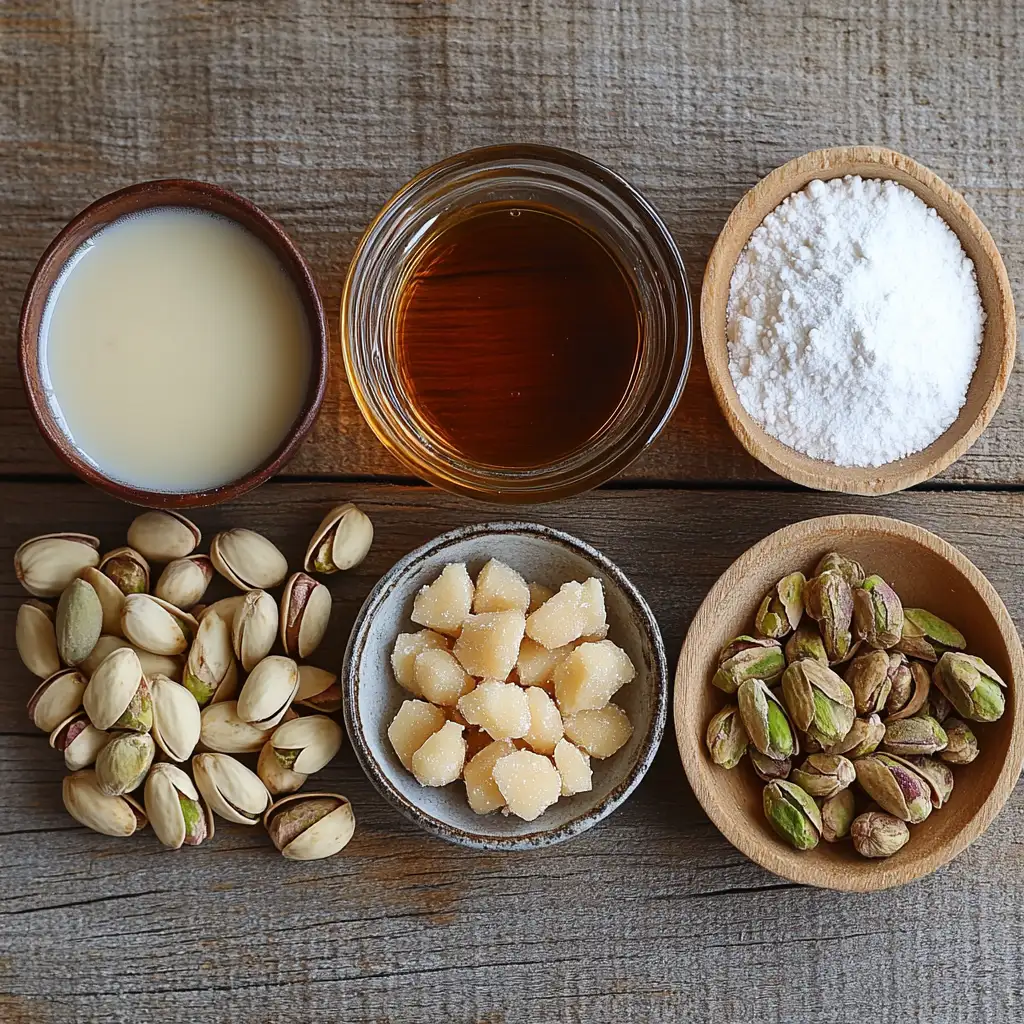
- Raw Pistachios: These are the base. Raw, unsalted pistachios give you a clean, nutty flavor without added salt or oils. Soaking them softens them for easier blending.
- Non-Dairy Milk: Almond milk is a popular choice, but oat or coconut milk work well too. Just make sure to use unsweetened milk to keep control over the final flavor.
- Natural Sweetener: Maple syrup, agave nectar, or even soaked dates can sweeten things up without processed sugar.
- Cornstarch or Arrowroot Powder: This is your thickener. It turns your creamy blend into an actual pudding once heated.
- Salt and Vanilla Extract: Just a pinch of salt and a splash of vanilla go a long way in enhancing the pistachio flavor.
This mix delivers that velvety texture and nutty richness that sets pistachio pudding apart.
Smart Substitutions for Dietary Needs or Pantry Gaps
Running low on an ingredient or working around an allergy? No worries. There are plenty of ways to adjust:
- No Pistachios? Cashews are your best backup. They’re neutral and creamy, though you’ll miss out on that pistachio essence. You can add pistachio extract to help.
- Switching Up the Milk: Soy milk works well if you want more protein. Rice milk is a thinner option if you prefer a lighter pudding.
- Different Sweeteners: If you’re watching sugar, stevia or monk fruit extract are good alternatives, though the flavor will change slightly.
- Alternative Thickeners: Arrowroot powder works just like cornstarch, and agar-agar is a great plant-based gelatin substitute for a firmer set.
This kind of flexibility means you can tailor the recipe to your exact taste or dietary needs.
Check out our guide on how to make pistachio paste if you want to level up your pudding with even more pistachio flavor.
Print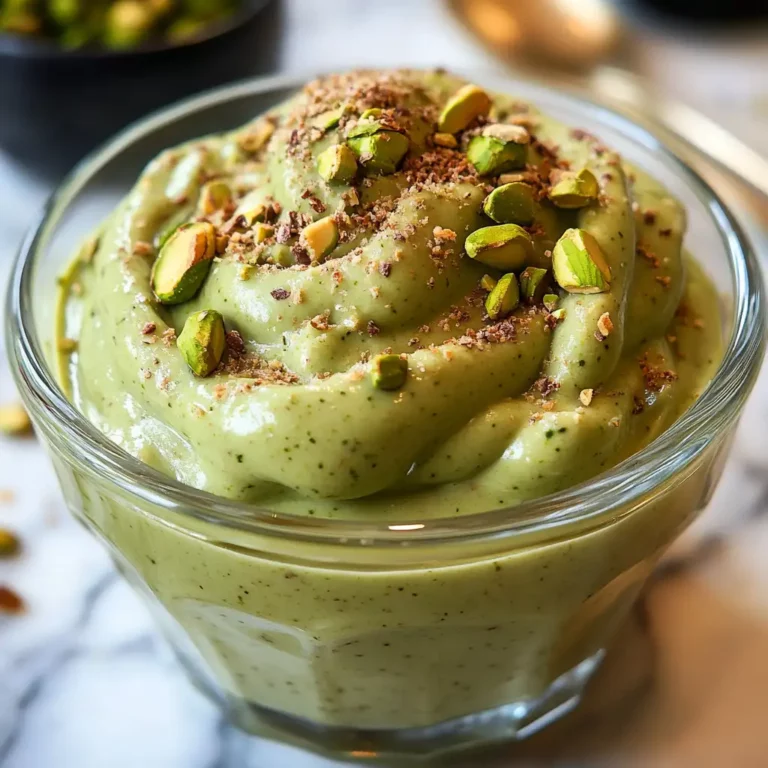
Vegan Pistachio Pudding: A Creamy Dairy-Free Dessert You’ll Crave
This vegan pistachio pudding is creamy, nutty, and naturally sweet—perfect for a dairy-free dessert that’s both indulgent and wholesome.
- Total Time: 2 hours 20 minutes
- Yield: 4 servings 1x
Ingredients
- 1 cup raw unsalted pistachios (soaked for at least 4 hours or overnight)
- 2 cups unsweetened non-dairy milk (almond or oat recommended)
- 1/4 cup maple syrup or agave nectar
- 1/2 teaspoon vanilla extract
- Pinch of salt
- 2 tablespoons cornstarch or arrowroot powder
Instructions
- Soak pistachios in water for 4+ hours or overnight, then drain.
- Blend pistachios with non-dairy milk, maple syrup, vanilla extract, and salt until smooth.
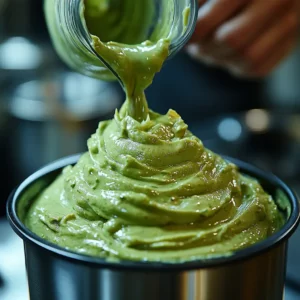
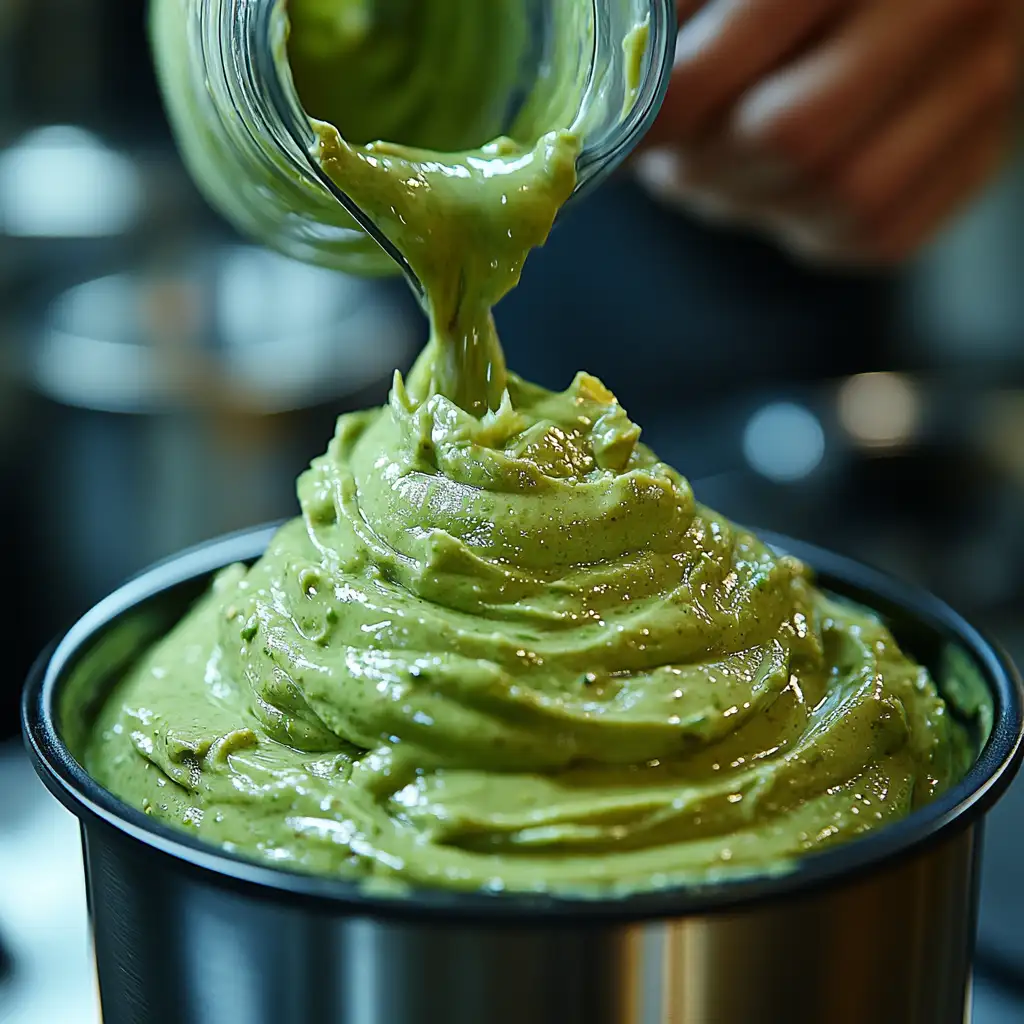
Blending soaked pistachios and ingredients for vegan pistachio pudding - (Optional) Strain the mixture using a fine mesh sieve or nut milk bag for extra smoothness.
- Pour into a saucepan, whisk in cornstarch, and cook over medium heat while stirring until thickened (about 5–7 minutes).
- Transfer to serving bowls, let cool for 10 minutes, then refrigerate for at least 2 hours.
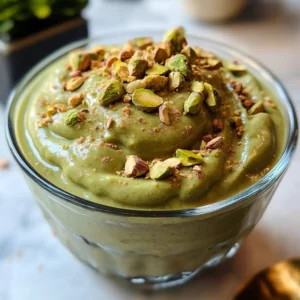
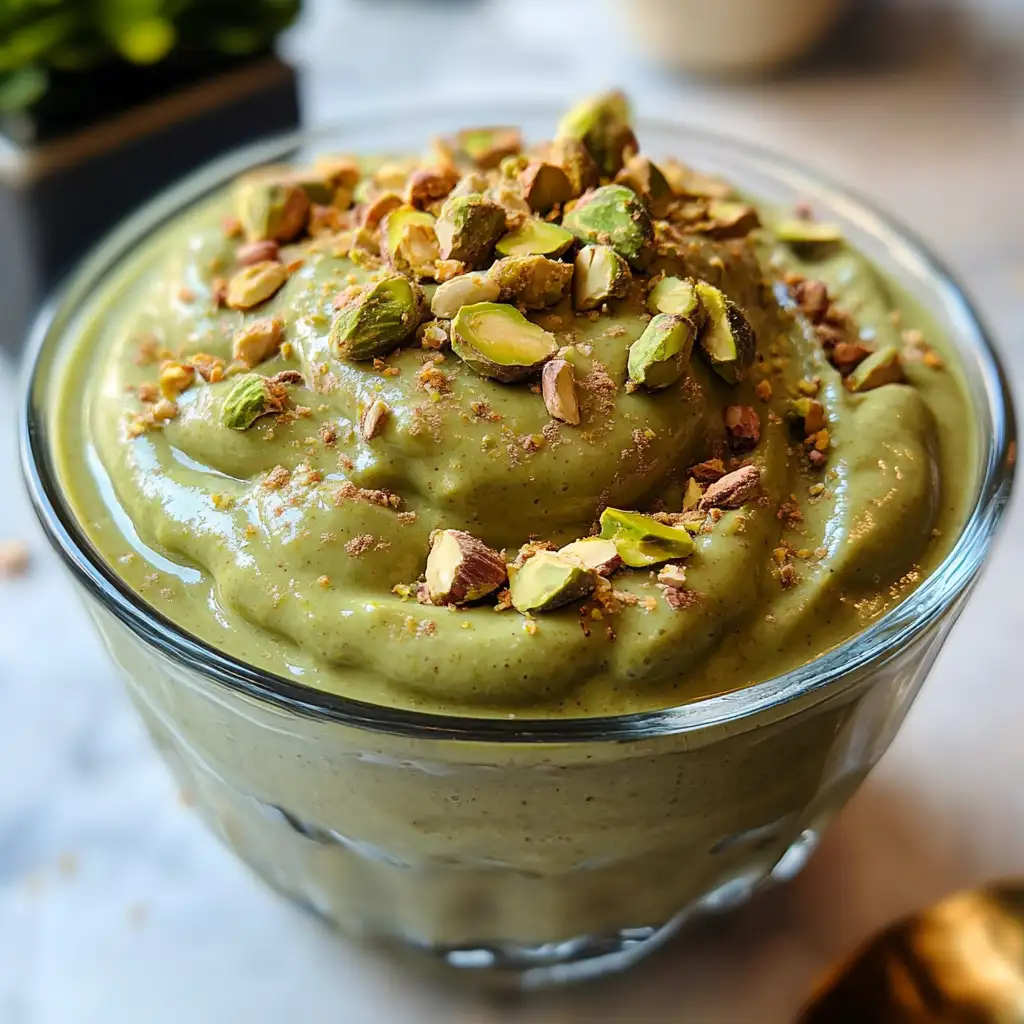
Homemade vegan pistachio pudding served in a glass bowl
Notes
For a brighter green pudding, add a few spinach leaves during blending. Use a high-powered blender for best texture or strain for extra smoothness.
- Prep Time: 10 minutes
- Cook Time: 7 minutes
- Category: Dessert
- Method: Stovetop
- Cuisine: Vegan
- Diet: Vegan
Nutrition
- Serving Size: 1/2 cup
- Calories: 230
- Sugar: 8g
- Sodium: 90mg
- Fat: 16g
- Saturated Fat: 2g
- Unsaturated Fat: 13g
- Trans Fat: 0g
- Carbohydrates: 20g
- Fiber: 2g
- Protein: 6g
- Cholesterol: 0mg
Preparation Methods
Step-by-Step Recipe for Vegan Pistachio Pudding
Making vegan pistachio pudding is surprisingly simple, especially once you get the hang of soaking and blending. Here’s how to do it:
- Soak the Pistachios
Place 1 cup of raw, unsalted pistachios in a bowl and cover them with water. Let them soak for at least 4 hours, or overnight if you’ve got time. This softens them for smooth blending. - Blend Everything Together
Drain the pistachios and toss them into a blender. Add 2 cups of non-dairy milk (like almond or oat), 1/4 cup of maple syrup (or your chosen sweetener), 1/2 teaspoon of vanilla extract, and a pinch of salt. Blend until it’s as smooth as possible. - Strain for Extra Smoothness (Optional)
If you want your pudding ultra-silky, pour the blended mixture through a fine mesh sieve or nut milk bag before cooking. This step is totally optional but worth it for a smoother texture. - Cook It on the Stove
Pour the mixture into a saucepan and whisk in 2 tablespoons of cornstarch. Cook over medium heat, stirring constantly until the mixture thickens, this usually takes about 5 to 7 minutes. Don’t walk away from the stove, or you’ll risk burning the bottom. - Chill and Set
Once thickened, pour the pudding into small bowls or jars. Let them cool on the counter for about 10 minutes, then move them to the fridge. Chill for at least 2 hours before serving.
Tips for Getting the Perfect Pudding
- Texture Tips: Always blend long enough to break down the nuts completely. If your blender isn’t high-powered, straining is a good idea.
- Thickening Control: Cornstarch thickens quickly, so don’t add too much. If the pudding is too thick, whisk in a splash of milk after chilling to loosen it up.
- Natural Color Boost: Want a greener pudding without artificial dyes? Toss in a few spinach leaves while blending. You won’t taste them, but you’ll get that signature pistachio-green hue.
Don’t miss our article on pistachio flour benefits if you’re looking to explore more ways to cook with pistachios beyond pudding.
Variations and Serving Suggestions
Creative Flavor Variations for Vegan Pistachio Pudding
Once you’ve nailed the basics of vegan pistachio pudding, you can start having fun with it. This dessert is flexible, and its mild, nutty base is the perfect canvas for other flavors.
- Chocolate Twist: Mix in a tablespoon of cocoa powder or swirl in melted vegan chocolate while the vegan pistachio pudding is still warm. It gives it a fudgy richness that complements the pistachios.
- Floral Touch: Add a few drops of rose water for an elegant Middle Eastern twist. Be careful, it’s potent, but it pairs beautifully with the subtle taste of vegan pistachio pudding.
- Coconut Cream Style: Swap your plant milk for full-fat coconut milk to get a thicker, richer pudding. The coconut blends smoothly with the pistachio base, giving your vegan pistachio pudding a tropical edge.
- Bright Citrus: Stir in some lemon or orange zest just before chilling. The citrus zest livens up the flavor and makes your pudding feel extra fresh.
- Spiced Up: A pinch of cardamom or cinnamon adds depth and warmth, making your vegan pistachio pudding more complex and cozy.
These flavor twists don’t take much effort but can completely transform your pudding into something new.
Serving Ideas That Make Vegan Pistachio Pudding Even Better
Of course, you can eat your vegan pistachio pudding straight out of the bowl (we won’t judge), but dressing it up can turn it into something special.
- Simple and Classic: Spoon your pudding into ramekins or dessert glasses and top with crushed pistachios. The crunch contrasts perfectly with the smooth texture.
- Layered Parfaits: Build a parfait by layering your vegan pistachio pudding with berries, vegan whipped cream, or granola. It’s a great way to turn pudding into a complete dessert.
- Mini Dessert Tarts: Use it as a filling for vegan tart shells. Chill, then top with sliced strawberries or kiwi for a fresh finish.
- Whipped and Dressed: Add a dollop of coconut whipped cream and a drizzle of agave for a luxurious version of your vegan pistachio pudding.
- Frozen Delight: Freeze it in popsicle molds for a summer treat that’s creamy, nutty, and refreshing.
Serving vegan pistachio pudding creatively adds charm to this simple dessert and can easily impress your friends or family.
Don’t miss our delightful take on pistachio macarons if you want another beautiful plant-based treat to serve alongside your pudding.
Storage and Shelf Life
How to Store Vegan Pistachio Pudding
Once you’ve made your batch of vegan pistachio pudding, storing it properly ensures it keeps that creamy texture and fresh flavor. The best way to store it is in an airtight container, like a glass jar or a sealed bowl. This helps prevent it from absorbing other smells in the fridge and keeps it from drying out.
You’ll want to cover the surface directly with plastic wrap or parchment paper if you’re using a bowl. This simple trick prevents a skin from forming on top of your vegan pistachio pudding, which can mess with the smooth texture you worked so hard to get.
Stored in the fridge, your vegan pistachio pudding should last for about 4 to 5 days. After that, the flavor starts to dull and the texture may break down a bit.
Can You Freeze Vegan Pistachio Pudding?
Technically, yes you can freeze vegan pistachio pudding, but there are a few things to know. Freezing can cause some separation or texture changes, especially if you’re using a milk like almond or oat that doesn’t freeze as well as coconut milk. For best results, freeze in small, individual portions. That way, you can thaw just what you need without affecting the rest.
When you’re ready to eat it, let the pudding thaw in the refrigerator overnight. Give it a good stir before serving. You might need to whisk in a splash of milk to bring back its creaminess.
In short, while vegan pistachio pudding is best fresh, it can absolutely be made ahead and stored if needed, perfect for prepping a few days in advance for dinner parties or meal prep.
Looking for more pistachio-based goodness? Check out our recipe for pistachio cheesecake bars, they make a great companion dessert to your pudding.
Common Mistakes to Avoid
Overcooking the Vegan Pistachio Pudding
One of the most common issues when making vegan pistachio pudding is overcooking. It might seem like it needs to boil to thicken properly, but that’s where things can go wrong. As soon as the pudding starts to thicken on the stove, take it off the heat. If you cook it too long, the starch can turn gummy or rubbery, ruining that creamy texture you’re aiming for.
Watch it closely, and keep stirring. The goal is a gentle, smooth thickening, not a bubbling mess.
Not Soaking the Pistachios Long Enough
Soaking your pistachios is key. If you skip this step or don’t soak them long enough, you’ll end up with gritty vegan pistachio pudding. Soaked pistachios blend into a smooth, rich paste that’s essential for a silky pudding. Aim for at least 4 hours or soak them overnight in the fridge for best results.
If you’re short on time, you can speed it up with a 30-minute hot water soak, but the longer method gives better texture and flavor.
Using the Wrong Sweetener Ratios
Sweeteners can make or break your pudding. Add too much, and you’ll overpower the natural pistachio flavor. Use too little, and your vegan pistachio pudding might taste flat. Start with the suggested amount, then taste before cooking. Maple syrup and agave are great because they dissolve easily and complement the nutty flavor.
Also, keep in mind that different sweeteners can change the pudding’s consistency. For example, date paste will make it thicker than liquid sweeteners.
Skipping the Straining Step (Optional, but Helpful)
If you want the silkiest vegan pistachio pudding, take the time to strain your mixture before heating. A fine-mesh sieve or nut milk bag can catch any gritty bits that didn’t fully blend. It’s a small step that makes a big difference in the final product, especially if your blender isn’t super powerful.
Even though it’s optional, it’s highly recommended if you’re aiming for that store-bought smoothness but with a homemade, wholesome ingredient list.
Nutritional Information
What’s Inside a Serving of Vegan Pistachio Pudding?
You might be surprised to learn that vegan pistachio pudding isn’t just a treat, it’s got some solid nutrition going for it too. Let’s break down what you’re typically getting in a half-cup serving:
| Nutrient | Estimated Amount |
|---|---|
| Calories | 220–250 |
| Protein | 5–7g |
| Fat | 15–18g |
| Carbs | 18–22g |
| Fiber | 2–3g |
These numbers vary depending on the milk and sweetener you use, but overall, vegan pistachio pudding is higher in healthy fats and plant-based protein than most store-bought puddings.
Why It’s a Smarter Dessert Choice
Thanks to pistachios, this dessert delivers monounsaturated fats, antioxidants, and essential nutrients like vitamin B6, thiamine, and magnesium. If you’re using fortified non-dairy milk, you’ll also get a dose of calcium and vitamin D.
Unlike traditional puddings, vegan pistachio pudding is free from cholesterol, dairy, and preservatives, making it a better choice for those with dietary restrictions or just trying to eat cleaner.
In the next section, we’ll answer some common questions about vegan pistachio pudding that people often search for online.
FAQs
Is Jell-O Pistachio Pudding Vegan?
No, Jell-O pistachio pudding isn’t vegan. It typically contains dairy-based ingredients like milk derivatives and sometimes gelatin, both of which are animal products. If you’re looking for a truly plant-based dessert, stick with homemade vegan pistachio pudding made with non-dairy milk and natural thickeners.
How to Make Pistachio Cream Vegan?
To make vegan pistachio cream, soak raw pistachios and blend them with non-dairy milk, a touch of maple syrup, and a pinch of salt. You can also add coconut cream or melted vegan white chocolate to make it extra rich. This thick, spreadable cream is perfect for layering or filling, and it’s a great base for vegan pistachio pudding too.
Can You Make Your Own Pistachio Pudding?
Absolutely. In fact, homemade vegan pistachio pudding is often healthier and more flavorful than store-bought versions. You control the ingredients, the level of sweetness, and the texture. It’s also a lot easier than people expect, just soak, blend, thicken, and chill.
What Makes Pudding Not Vegan?
Traditional pudding recipes usually contain cow’s milk, eggs, and sometimes gelatin, all of which are non-vegan ingredients. Even some boxed mixes may include dairy powders. That’s why recipes for vegan pistachio pudding rely on plant-based milk and starches like cornstarch or arrowroot to create that creamy, satisfying texture without animal products.
Discover great ideas like our pistachio flour benefits article if you’re curious about more ways to use this nutrient-rich nut in vegan cooking.
Conclusion
Whether you’re craving a cozy dessert after dinner or planning a sweet surprise for your next gathering, vegan pistachio pudding is a creamy, wholesome choice that’s easy to love. It’s rich in flavor, simple to make, and filled with ingredients that actually nourish your body.
By now, you’ve seen how versatile this plant-based treat can be, from switching up the milk or sweetener to layering it in parfaits or freezing it as pops. You’ve also got the tools to avoid common pitfalls like overcooking or skipping the soak, and you know how to store it so you can enjoy it for days.
So go ahead, soak those pistachios, grab your blender, and whip up a batch of pudding that’s as delicious as it is dairy-free. And if you’re still experimenting, don’t forget to try pairing it with one of our other pistachio favorites like pistachio latte or pistachio cheesecake bars.
Once you’ve made your first bowl of vegan pistachio pudding, you’ll wonder why you ever bought the boxed stuff in the first place.
Follow us on Facebook for daily cozy meal ideas. Our Pinterest boards feature plenty of easy, delicious recipes to keep things fresh in the kitchen.