
Dairy free muffins are soft, fluffy baked treats made without milk, butter, or any other dairy ingredients. Instead of traditional cow’s milk or cream, these muffins use plant-based swaps like oat milk, almond milk, or coconut milk to keep the batter moist. A neutral oil such as avocado or light olive oil takes the place of butter, while mashed bananas or applesauce often stand in for the richness dairy usually brings.
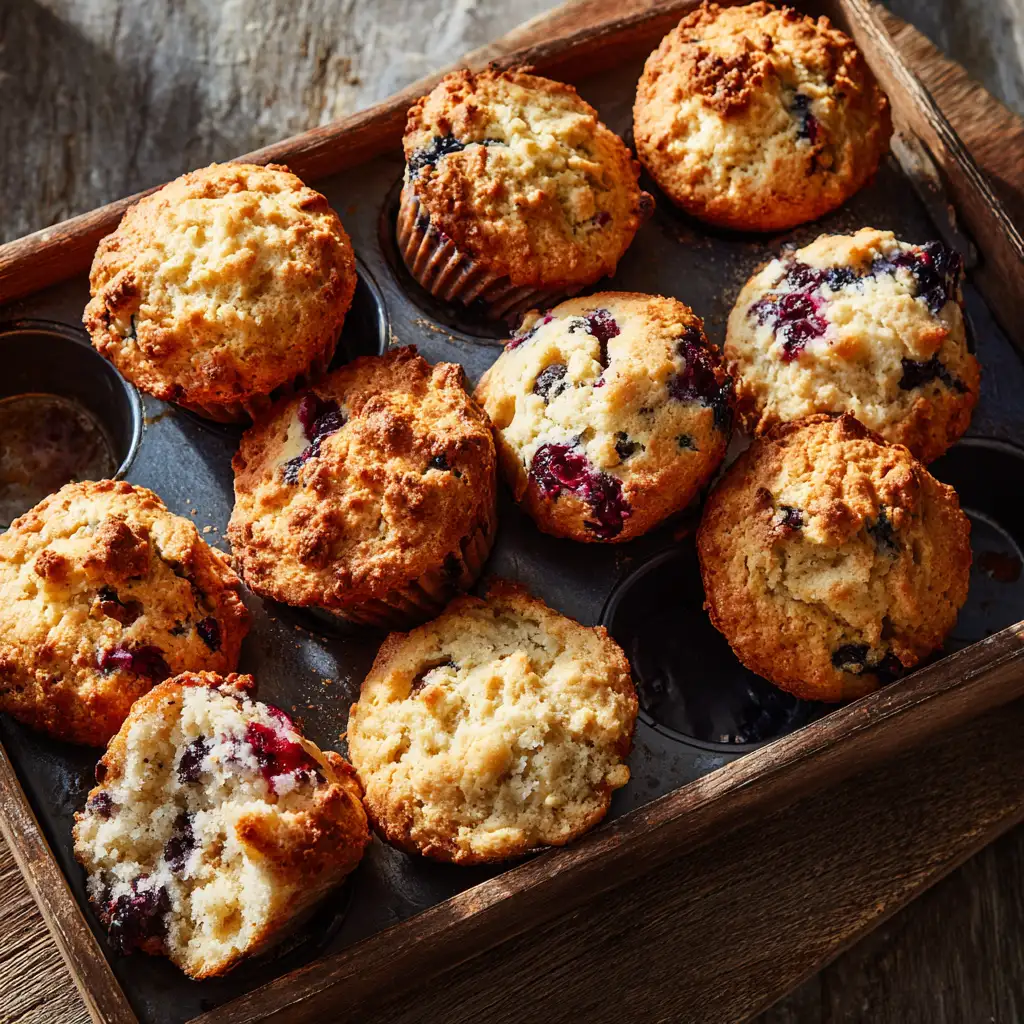
To make a simple batch of dairy free muffins, you’ll start with flour, baking powder, and a pinch of salt as your dry base. For the wet ingredients, whisk together your non-dairy milk with a mashed banana or applesauce, then stir in oil, a touch of vanilla, and sugar. Fold the wet into the dry just until it comes together, don’t overmix it, or you’ll lose that tender crumb. Scoop into muffin cups and bake until golden on top and set in the center.
The result? Muffins that are lightly sweet, perfectly moist, and soft all the way through. They hold up well on the counter, freeze like a dream, and nobody misses the dairy, seriously. Whether you’re baking for dietary needs or just looking for a lighter option, dairy free muffins bring full flavor with none of the fuss.
Table of Contents
The Story & Intro
A Warm Memory Behind Dairy Free Muffins
Dairy free muffins have a special place in my kitchen because they started with a simple moment, no fancy ingredients, no plan. Just a craving and a nearly empty fridge. I remember one chilly afternoon when I had my niece over, and we wanted something sweet. All I had was flour, a ripe banana, some oat milk, and a little oil. I figured we’d give it a shot, and what came out of the oven were soft, golden muffins that smelled like vanilla and felt like home.
That first batch turned into a habit. I kept trying new versions with whatever I had on hand, applesauce instead of banana, maple syrup instead of sugar, oat milk swapped for almond. It turns out, you don’t need butter or cream to get that soft, satisfying texture. Dairy free muffins are incredibly flexible. They’ve even become my go-to when I teach beginner baking because they’re easy, forgiving, and honestly, they taste amazing.
Since then, I’ve used the same approach in recipes like my dairy free cupcakes and cozy dairy free cinnamon rolls. Both rely on the same core idea: build flavor and moisture with simple plant-based ingredients, and you won’t miss the dairy one bit.
Why Muffins Without Dairy Are More Than Just a Trend
When people first hear “dairy free,” they often think dry or bland. But dairy free muffins flip that idea completely. They’re soft, flavorful, and just as good, sometimes better, than traditional ones. Non-dairy ingredients like coconut milk or oat milk bring subtle richness, while mashed banana or applesauce helps bind the batter and add natural sweetness.
Once I saw how well this worked, I stopped thinking of dairy free baking as a compromise. Now it’s just how I bake. You can add blueberries, nuts, cinnamon, or even chocolate, and the muffins still come out moist and golden. These bakes freeze well, travel well, and stay soft for days.
So whether you’re making them for dietary reasons or just curious about new baking options, dairy free muffins are a delicious place to start. And trust me, they’re not missing a thing.
Smart Swaps & Simple Ingredients
How to Build the Perfect Dairy Free Muffin Batter
When it comes to baking dairy free muffins, the first step is knowing how to replace the usual ingredients without losing moisture, texture, or flavor. Muffins depend on balance, enough structure to rise and hold shape, but enough softness to stay tender. The good news is, you don’t need dairy to get there.

Start with your dry mix: all-purpose flour works beautifully, but you can add a bit of whole wheat or oat flour for extra fiber and texture. Next, choose a leavener. Baking powder is your best friend here. A pinch of salt helps bring out all the flavors, especially in fruit-forward muffins like these vegan oatmeal raisin cookies that use similar base ingredients.

Now for the wet ingredients, this is where the magic happens. Instead of cow’s milk, go for oat, almond, or coconut milk. I love using oat milk because it’s mild and blends seamlessly. Coconut milk gives a richer finish if you’re going for something indulgent. Oil replaces butter; I usually reach for avocado oil or a light olive oil. Mashed bananas or unsweetened applesauce are perfect add-ins that also bind the batter and give your dairy free muffins extra moisture.
Whisk your wet ingredients until smooth: the plant milk, oil, mashed fruit, vanilla extract, and a bit of brown sugar or maple syrup if you like them sweet. Combine that with your dry mix and stir just until blended. The key here is not to overmix, you want soft muffins, not chewy ones.
For an extra burst of flavor, fold in blueberries, chopped apples, or cinnamon. That’s how I developed my dairy free lemon bars, using lemon zest and coconut milk to add brightness without any dairy at all.
What to Expect from Your Dairy Free Muffins
The final batter should be thick but scoopable. Spoon it into lined muffin tins, filling each about three-quarters full. As they bake, you’ll see them puff up with a golden crown on top and a soft crumb inside. And here’s the best part, dairy free muffins stay tender for days. You can store them on the counter in an airtight container, freeze them, or warm one up in the microwave for a quick snack or breakfast.
Once you’ve made these muffins a few times, the process becomes second nature. You’ll start to tweak the ingredients to match what’s in your pantry or the season. That’s the beauty of baking this way. It’s flexible, fun, and full of flavor, no dairy required.
Tips, Variations & Flavor Combos
Baking Tips That Make Dairy Free Muffins Better Every Time
Once you’ve got the basics down, it’s the little things that make your dairy free muffins come out just right. For starters, let your plant-based milk and mashed fruit come to room temperature before mixing. Cold ingredients can shock the batter and mess with how it rises. I also recommend using a gentle hand when folding everything together. Overmixing is the quickest way to get dense muffins instead of soft, tender ones.
Paper liners are helpful, but if you’re skipping them, make sure to grease the muffin tin well with a neutral oil or use a dairy free baking spray. A standard ice cream scoop helps keep portions even, so all your muffins bake at the same rate.
If you want that classic domed top, start by baking the muffins at a slightly higher temperature, try 400°F for the first 5 minutes, then lower it to 350°F for the rest. This gives them a quick rise early on. And always test with a toothpick; it should come out clean from the center.
For those who like a little crunch, sprinkling raw sugar or chopped nuts on top before baking gives a bakery-style finish. I sometimes add shredded coconut or rolled oats, depending on the mix-ins I’m using. Just like my frozen yogurt bark recipe, it’s all about texture and contrast.
Fun Flavor Ideas for Every Season
The beauty of dairy free muffins is that you can shape them around any flavor craving. In the fall, I go for pumpkin puree, cinnamon, and nutmeg. A swirl of almond butter in the center is incredible. In spring, lemon zest and poppy seeds add brightness and a little bite. For summer mornings, nothing beats blueberry coconut with a hint of vanilla.
If you’re baking for kids or your own sweet tooth, try adding mini chocolate chips or a ribbon of jam through the middle. My vegan snickers bar recipe inspired a peanut butter banana muffin variation that’s now on regular rotation at home.
You can even make them savory. Skip the sugar, add herbs, and fold in grated zucchini or corn for a quick lunchbox option. The base recipe is flexible enough to handle all these twists while staying soft, moist, and dairy free.
So whether you like your muffins fruity, spiced, or chocolatey, you can keep it interesting all year long. And the best part? Dairy free muffins let you get creative without sacrificing texture or flavor. They’re reliable, versatile, and always a win, whether it’s breakfast, snack time, or something sweet after dinner.

FAQs About Dairy Free Muffins + Final Thoughts
What is the best non dairy milk for muffins?
The best non-dairy milk for dairy free muffins depends on the flavor and texture you’re aiming for. Oat milk is my go-to for its mild taste and smooth texture. It makes the muffins soft and doesn’t overpower any added spices or fruits. If you’re going for something richer, full-fat canned coconut milk gives a creamy crumb and works great in chocolate or banana-based muffins. Almond milk is another solid option and blends well with berries or citrus.
You can test different options based on what’s in your pantry, just make sure it’s unsweetened, especially if you’re adding your own sweetener,
Can I bake muffins without milk?
Absolutely. Dairy free muffins are all about skipping the milk and they still turn out fluffy and moist. You can use plant-based milk, or even water in a pinch, though the texture might be a little lighter. Mashed bananas, applesauce, or even pureed pumpkin help bring that extra moisture if you’re skipping milk entirely.
I’ve used this same approach in my fruit sorbet recipe, where fruit does all the heavy lifting. Muffins are no different, once you understand how ingredients interact, you can bake confidently without dairy.
What happens if you don’t put milk in muffins?
If you remove dairy milk and don’t replace it with a liquid, your muffins will likely turn out dry and dense. But if you replace the milk with a non-dairy alternative, you’ll keep all the moisture and structure you need. That’s why dairy free muffins work so well, they rely on plant-based swaps that still perform in the oven.
The key is balancing wet and dry ingredients. With the right liquid (like almond or oat milk), your muffins rise properly and keep that soft crumb we all love.
What is a dairy free substitute for baking?
For baking, the most common dairy substitutes are almond milk, oat milk, soy milk, coconut milk, and flax milk. Instead of butter, try avocado oil, coconut oil, or olive oil with a light flavor. For binding and richness, mashed banana, applesauce, or even dairy-free yogurt can work wonders.
These swaps are especially useful in recipes like my vegan mocha ice cream, which uses coconut milk as a base, proof that you don’t need dairy to get creamy, rich results. The same rules apply to dairy free muffins.
Conclusion: Why Dairy Free Muffins Deserve a Spot in Your Kitchen
Making dairy free muffins isn’t about giving something up, it’s about discovering just how much you can do with simple, plant-based ingredients. With the right swaps, you get muffins that are soft, moist, and bursting with flavor. They’re friendly to most diets, easy to customize, and just as comforting as the ones you grew up with.
Whether you’re baking for someone with a sensitivity, looking for a lighter option, or just working with what you have on hand, these muffins deliver every time. Start with a base, try a new flavor, and trust your instincts. You’ll be surprised at what you can make, no butter or milk required.
Print
Dairy Free Muffins That Are Fluffy, Moist, and Easy to Bake
Soft, fluffy dairy free muffins made with simple plant-based ingredients. Perfect for breakfast, snacks, or dessert.
- Total Time: 30 minutes
- Yield: 12 muffins 1x
Ingredients
1 ¾ cups all-purpose flour
2 tsp baking powder
¼ tsp salt
1 ripe banana, mashed
⅓ cup avocado oil
¾ cup oat milk (or almond milk)
½ cup brown sugar
1 tsp vanilla extract
½ cup blueberries or dairy free chocolate chips (optional)
Instructions
1. Preheat the oven to 375°F (190°C) and line a muffin tin.
2. In a bowl, whisk together flour, baking powder, and salt.
3. In a separate bowl, combine mashed banana, oat milk, oil, sugar, and vanilla.
4. Gently mix the wet ingredients into the dry ingredients until just combined.
5. Fold in any optional mix-ins like blueberries or chocolate chips.
6. Scoop the batter evenly into muffin cups, filling each about ¾ full.
7. Bake for 18–20 minutes or until a toothpick inserted into the center comes out clean.
8. Let cool in the tin for 5 minutes, then transfer to a wire rack.
Notes
You can use applesauce instead of banana for a more neutral flavor.
These muffins store well at room temperature for up to 3 days or can be frozen for up to 3 months.
- Prep Time: 10 minutes
- Cook Time: 20 minutes
- Category: Breakfast, Snacks
- Method: Baking
- Cuisine: American
- Diet: Vegan
Nutrition
- Serving Size: 1 muffin
- Calories: 190
- Sugar: 10g
- Sodium: 150mg
- Fat: 7g
- Saturated Fat: 1g
- Unsaturated Fat: 6g
- Trans Fat: 0g
- Carbohydrates: 28g
- Fiber: 2g
- Protein: 3g
- Cholesterol: 0mg
Follow us on Facebook for daily cozy meal ideas. Our Pinterest boards feature plenty of easy, delicious recipes to keep things fresh in the kitchen.